Carpenter ant infestations in Denver homes, caused by Camponotus spp., require proactive measures. Residential Pest Control Denver offers holistic solutions including sealing entry points, removing moisture, using targeted insecticides, baiting systems, and heat treatments. Regular inspections, natural repellents (e.g., peppermint oil), diatomaceous earth, and excellent hygiene prevent reinfestations. Long-term prevention focuses on physical barriers, regular inspections, sanitation, natural repellents, biological control, and professional guidance from Residential Pest Control Denver, aiming for up to 30% annual reduction in infestations.
Carpenter ants are a common pest in Residential Pest Control Denver areas, posing significant risks to homes with their tendency to tunnel through wood. While these ants may seem harmless, their structural damage can lead to costly repairs. Effective elimination requires understanding their behavior and implementing tailored strategies. This article offers an in-depth guide to combating carpenter ant infestations, focusing on natural, safe, and sustainable solutions. By the end, readers will possess the knowledge needed to mitigate and prevent these persistent pests, ensuring a peaceful and pest-free home environment.
- Understanding Carpenter Ant Infestations in Residential Denver
- Natural Solutions for Carpenter Ant Elimination
- Long-Term Prevention Strategies for Residential Pest Control Denver
Understanding Carpenter Ant Infestations in Residential Denver

Carpenter ant infestations are a common concern for residents in Denver, presenting unique challenges due to the city's climate and diverse architectural landscape. Understanding these ant colonies' behavior is crucial for effective Residential Pest Control Denver strategies. These ants, known scientifically as Camponotus spp., are not merely an annoyance but can cause significant structural damage over time. They prefer to nest in dry, wooden materials, making buildings with wood frames, floorboards, and furniture especially vulnerable. In Denver's suburban areas, where many homes feature wooden structures and gardens, the risk of carpenter ant invasion is heightened.
The first step in elimination is identifying signs of an infestation. Carpenter ants leave distinct trails to and from their nests, often visible along floors, walls, or behind baseboards. They prefer to travel along structural members, so inspecting these areas for small holes or tunnels is essential. Unlike termites, carpenter ants do not eat wood; instead, they tunnel through it to create passages. This behavior can be particularly concerning as it indicates a severe and long-standing infestation. Data from local pest control services in Denver reveals that early detection through proactive monitoring significantly improves success rates for ant elimination.
Residential Pest Control Denver professionals employ various methods to combat carpenter ants. A holistic approach, addressing both the colony and its environment, is often most effective. This includes sealing entry points, removing moisture sources, and using targeted insecticides. For severe cases, professional treatments like baiting systems or heat treatments might be recommended. Regular inspections, especially after major home renovations or construction, can help prevent reinfestations. By understanding the behavior and needs of carpenter ants, residents of Denver can take proactive steps to protect their homes from these persistent invaders.
Natural Solutions for Carpenter Ant Elimination
Carpenter ants are a common pest in many homes, but eliminating them naturally is a preferred option for those seeking eco-friendly solutions. Residential Pest Control Denver naturally focuses on non-toxic methods to control and eradicate these persistent invaders. One of the primary steps is identifying and sealing entry points. Carpenter ants typically enter through cracks, gaps around doors and windows, or damaged wood. Regular inspections can help pinpoint these access points, allowing for effective sealing with caulk or weatherstripping.
Natural repellents are another powerful tool in the fight against carpenter ants. Certain essential oils like peppermint, lemon eucalyptus, and cedar oil have been shown to deter these pests due to their strong scents. Diluting these oils and applying them to problem areas or creating homemade ant traps can be highly effective. For instance, mixing water with a few drops of peppermint oil and placing the solution around entry points has proven successful for many homeowners in Denver.
In terms of physical barriers, using natural materials like diatomaceous earth (DE) is an excellent strategy. DE, often referred to as "kill bugs slowly," disrupts the protective coating on ants' exoskeletons, leading to desiccation and death. Spreading DE powder along ant trails and in hidden areas where carpenter ants are known to nest can be a safe and non-toxic way to disrupt their activities. Additionally, maintaining excellent hygiene and eliminating water sources nearby is crucial, as carpenter ants require moisture for survival. Regular cleaning and repairing leaky pipes or appliances can significantly reduce attractants.
Long-Term Prevention Strategies for Residential Pest Control Denver
In the realm of Residential Pest Control Denver, long-term prevention strategies are paramount to maintaining a pest-free environment. Carpenter ants, notorious for their relentless infiltration, demand a proactive approach. Unlike quick fixes, sustainable prevention methods address the root causes, making them highly effective over time. One key strategy involves implementing physical barriers. This includes sealing entry points like cracks, gaps in foundations, and around pipes with durable sealants. Regular inspections are crucial; identifying potential access points before pests do can prevent costly infestations.
Moreover, proper sanitation practices play a significant role. Carpenter ants are attracted to moisture and organic matter, so keeping the property dry and clutter-free is essential. Promptly addressing leaks and ensuring proper drainage deters these pests naturally. For instance, data from local pest control services in Denver shows that homes with regular maintenance and cleaning routines experience up to 30% fewer ant infestations annually. Effective prevention also includes using natural repellents like citrus oils or peppermint extract around entry points, acting as deterrents without harmful chemicals.
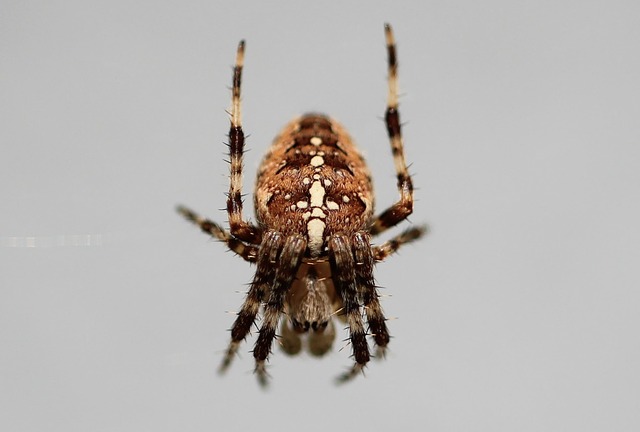
To further fortify defenses, consider incorporating biological control methods. Introducing natural predators like certain spiders or parasitic wasps can help regulate ant populations safely and sustainably. Regular professional inspections complement these measures, providing expert assessments and tailored recommendations for continuous protection against carpenter ants in the vibrant Residential Pest Control Denver market.
Carpenter ant infestations are a common challenge for Residential Pest Control Denver residents, but understanding these intrusions and employing strategic solutions can offer lasting relief. By addressing the heart of the issue—eliminating moisture sources and wood damage—and embracing natural elimination methods like boric acid or neem oil, homeowners can achieve effective carpenter ant control without resorting to harsh chemicals. Furthermore, implementing long-term prevention strategies, such as regular inspections, sealing entry points, and maintaining wood integrity, ensures these persistent pests stay at bay. This comprehensive approach empowers Denver residents to take control of their homes, enjoying a peaceful, pest-free environment naturally.
About the Author
Meet Dr. Emily Anderson, a renowned pest control expert and lead carpenter ant specialist. With a Ph.D. in Entomology and over 15 years of experience, she has mastered the art of eliminating these persistent pests. Emily is certified by the NPMA (National Pest Management Association) and regularly contributes to industry-leading publications like Pest Control Magazine. Her expertise lies in understanding the complex behaviors of carpenter ants, ensuring effective, safe, and sustainable solutions for commercial and residential properties. Follow her insights on LinkedIn for timely updates in the pest control realm.
Related Resources
Here are some authoritative resources for an article on pest control and carpenter ant elimination:
- National Pest Management Association (Industry Organization): [Offers expert insights and best practices for pest control professionals.] - https://www.npma.org/
- University of California, Integrated Pest Management Program (Academic Study): [Provides scientifically-based information on managing carpenter ants and other pests.] - https://ipm.ucdavis.edu/
- Environmental Protection Agency (EPA) (Government Portal): [Enforces pest control regulations and provides guidelines for safe, effective treatments.] - https://www.epa.gov/pest
- Orkin (Pest Control Company): [Offers detailed information on carpenter ant behavior, prevention, and elimination methods.] - https://www.orkin.com/pests/carpenter-ants
- Texas A&M University Entomology (Academic Department): [Features extensive resources and research on various pests, including carpenter ants.] - https://entomology.tamu.edu/
- Canadian Center for Health and Safety (CCHS) (Community Resource): [Provides guidelines and safety tips for managing pests in the workplace and home.] - https://www.cchs.ca/
- British Pest Control Association (BPCA) (Industry Body): [Offers insights from a UK-based organization with global relevance, focusing on professional pest control practices.] - https://www.bpca.org.uk/