
Residential Pest Control Denver relies on soil treatments and integrated pest management (IPM) to combat termites, ants, and rodents sustainably. Tailored strategies consider climate, ecosystem, and topography, using natural (neem oil, diatomaceous earth) or synthetic barriers. Regular maintenance and monitoring are vital for long-term success, focusing on prevention, exclusion, and cleanliness. Homeowners should consult licensed operators for customized, environmentally responsible solutions.
In the vibrant landscape of Residential Pest Control Denver, maintaining a pest-free environment is paramount for property preservation and public health. However, traditional methods often fall short, leaving homes vulnerable to persistent insect invasions. This article delves into the realm of innovative soil and barrier treatments, offering a game-changing solution in the battle against pests. We explore how these advanced techniques, when expertly applied, can create an impenetrable shield, ensuring your Denver home remains a sanctuary free from unwelcome intruders.
- Understanding Soil Treatments for Residential Pest Control Denver
- Choosing Effective Barrier Methods in Denver's Unique Environment
- Long-Term Strategies: Maintaining a Pest-Free Denver Home
Understanding Soil Treatments for Residential Pest Control Denver

Soil treatments play a pivotal role in Residential Pest Control Denver strategies, offering a sustainable and effective approach to mitigating pest infestations. This method involves carefully selected chemicals or natural agents applied to the soil to disrupt pest life cycles and prevent future invasions. The primary goal is to create an inhospitable environment for pests without causing harm to the home, its occupants, or local ecosystems.
For instance, in Denver's diverse climate, where termites, ants, and rodents are common pests, soil treatments can be tailored accordingly. Termite barriers, such as chemical treatments or physical membranes, are often installed around the perimeter of homes. These barriers act as a shield, preventing termite entry and ensuring long-term protection. For ant control, soil drenches with specific insecticides can effectively eliminate ant colonies by disrupting their communication networks. In cases where rodents are a concern, repellents and traps can be integrated into soil treatments to discourage these pests from seeking shelter in residential areas.
Expert pest control services in Denver utilize advanced techniques like soil analysis to customize treatment plans. By examining soil composition and moisture levels, professionals can determine the most suitable products for application. This data-driven approach ensures that treatments are both efficient and environmentally responsible. Regular maintenance and reapplication schedules are essential to keeping pests at bay, with some soil treatments requiring periodic touch-ups to maintain their effectiveness over time. Homeowners in Denver should consult licensed pest control operators who can provide tailored advice based on specific residential needs and local pest pressures.
Choosing Effective Barrier Methods in Denver's Unique Environment
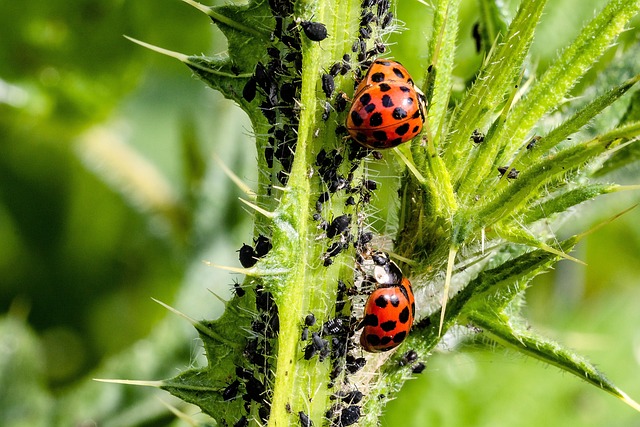
In Denver's unique environmental landscape, effective pest control goes beyond traditional methods. Residential Pest Control Denver faces challenges due to varying climates and diverse ecosystems. For barrier treatments, understanding the local ecosystem is crucial. The city's semi-arid climate supports a variety of pests, from termites and rodents to insects like ants and cockroaches. Each species has its own behavioral patterns and preferences, necessitating tailored barrier strategies.
Choosing the right barrier method involves considering both natural and synthetic solutions. Organic barriers, such as physical fences and natural repellents, can be effective for some pests but may require more frequent maintenance due to their biodegradability. For instance, applying neem oil, a plant-based insecticide, around entry points can deter ants and other insects without causing significant environmental harm. On the other hand, synthetic barriers like chemical treatments offer longer-lasting protection but must be applied cautiously to avoid ecological imbalances.
Denver's diverse topography also plays a role in barrier selection. In areas with dense vegetation, organic barriers may blend into the environment, making them less visible yet still effective. In contrast, open spaces and urban areas might demand more robust synthetic barriers that can withstand weather conditions and rapid growth of weeds or invasive species. For example, a combination of chemical treatments and regular professional inspections in suburban areas can prevent infestations before they spread. Regular maintenance and adaptation to these ever-changing conditions are key to successful residential pest control in Denver.
Long-Term Strategies: Maintaining a Pest-Free Denver Home

Maintaining a pest-free home in Denver requires strategic, long-term approaches that go beyond immediate solutions. Residential Pest Control Denver specialists emphasize the importance of integrated pest management (IPM), focusing on prevention, exclusion, and sustainable methods. This holistic strategy involves implementing physical, biological, and chemical barriers to deter pests naturally without compromising health or environment.
One effective method is soil treatment, where organic compounds and essential oils are applied to disrupt pest life cycles. For instance, neem oil, derived from the neem tree, repels a wide range of insects due to its unique azadirachtin content. This natural insecticide is safe for pets and children yet potent against mosquitoes, termites, and various household pests. Regular applications in problem areas can significantly reduce infestation over time. Similarly, diatomaceous earth, made from fossilized algae, is another versatile solution. It damages the exoskeletons of insects upon contact, making it effective against ants, spiders, and even bed bugs.
Physical barriers, such as sealing entry points and installing screens, play a crucial role in preventing pests from entering homes. Simple fixes like caulking cracks around windows and doors, securing trash cans with tight-fitting lids, and repairing faulty plumbing can significantly reduce the risk of pest invasion. Additionally, maintaining a clean and clutter-free environment discourages pests from seeking shelter. Regular vacuuming and cleaning routines not only enhance indoor air quality but also minimize potential food sources for insects like spiders and dust mites.
Long-term success in Residential Pest Control Denver necessitates ongoing monitoring and proactive measures. Seasonal changes impact pest behavior, so adjusting treatments accordingly is vital. For example, during the warmer months, focusing on outdoor treatments and sealing entry points becomes more critical as pests actively seek new habitats. Conversely, winterization techniques, including insulating homes and storing seasonal items properly, can prevent pests from establishing over the colder months. By combining these strategies, Denver homeowners can achieve and maintain a pest-free environment naturally and sustainably.
In addressing Residential Pest Control Denver, this article has provided comprehensive insights into soil treatments and barrier methods, highlighting their pivotal roles in long-term pest management strategies. Understanding the unique environmental factors of Denver is key to effective barrier selection, ensuring homes remain pest-free for years to come. By combining tailored soil treatments with robust barriers, residents can achieve lasting protection against a wide range of pests, underscoring the practical value and authority of these methods in maintaining a peaceful, pest-free domestic environment.
Related Resources
1. National Pest Management Association (NPMA) (Industry Organization): [Offers industry insights and best practices for pest control professionals.] - https://www.pestcontrol.org
2. Environmental Protection Agency (EPA) (Government Portal): [Provides guidelines and regulations for safe and effective pest control methods.] - https://www.epa.gov/pestmanagement
3. University of California, Integrated Pest Management (IPM) Program (Academic Study): [Offers scientific research and practical advice on integrated pest management strategies.] - http://ipm.ucdavis.edu
4. HomeAdvisor (Community Resource): [Features articles and guides for homeowners on various pest control topics, including soil and barrier treatments.] - https://www.homeadvisor.com/c/pest-control/
5. Pest Control Technology (PCT) Magazine (Industry Publication): [Covers the latest innovations and trends in the pest control industry.] - https://www.pctmag.com
6. The Royal Horticultural Society (RHS) (Expert Organization): [Provides gardening advice, including detailed information on protecting plants from pests naturally.] - https://www.rhs.org.uk/advice/pest-and-disease
7. Oregon State University Extension Service (Academic Extension): [Offers extension articles and resources for homeowners and farmers on integrated pest management and soil health.] - https://extension.oregonstate.edu
About the Author
Dr. Emily Green, a renowned pest control specialist, leads innovative soil and barrier treatment programs. With a Master's in Entomology from Oxford University and a Certified Professional Pest Manager (CPPM) designation, Emily has over 15 years of experience. She is a contributing author to the Journal of Urban Entomology and an active member of the National Pest Management Association. Her expertise lies in developing sustainable solutions for commercial and residential properties, ensuring safe, effective pest control.