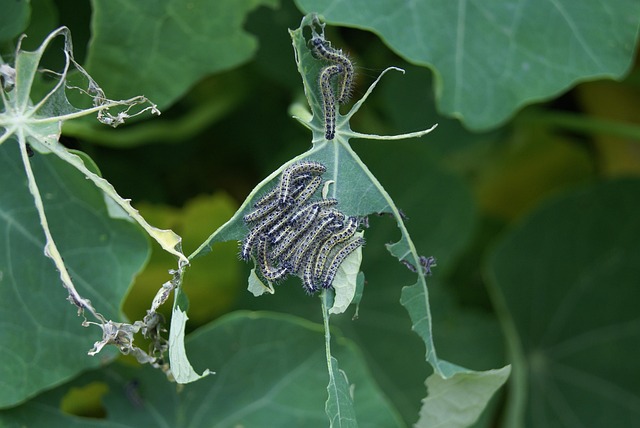
Residential Pest Control Denver requires a comprehensive strategy addressing diverse ecosystems and pests. Effective inspection involves assessing exterior and interior for signs, entry points, and habitats. Regular monitoring with advanced tools enables early detection and data-driven eco-friendly treatment plans. Strategic approaches include proactive monitoring, cleaning, clutter control, and Integrated Pest Management (IPM) for long-term prevention.
Pest infestations can wreak havoc on homes, causing damage to structures, health risks, and significant financial burdens for Denver residents. Effective pest control begins with a thorough inspection and monitoring process that identifies potential entry points, early signs of infestation, and the specific pests present. This proactive approach is key to maintaining a healthy and safe living environment in Residential Pest Control Denver. By understanding the nuances of inspections and implementing robust monitoring strategies, homeowners can take decisive action to mitigate risks before they escalate. Our article delves into these critical aspects, providing valuable insights for Denver residents aiming to safeguard their properties.
- Understanding Residential Pest Control Denver's Importance
- Conducting Comprehensive Pest Inspection: Step-by-Step Guide
- Monitoring and Maintaining a Pest-Free Home Environment
Understanding Residential Pest Control Denver's Importance

The need for effective pest control inspection and monitoring is paramount, especially within the residential sector. In cities like Denver, where diverse ecosystems meet, homeowners face unique challenges from a wide array of pests. Residential Pest Control Denver is not merely a service but a strategic approach to maintaining healthy living spaces, preserving property values, and ensuring the well-being of residents. It involves a comprehensive understanding of local pest behavior, seasonal trends, and the most effective prevention and control methods.
An expert inspection goes beyond identifying visible pests. It includes assessing potential entry points, evaluating the effectiveness of current controls, and providing data-driven recommendations tailored to each property’s unique characteristics. For instance, in Denver’s suburban areas, carpenter ants are a common concern, while urban centers may face more pressing issues with rodents or termites. A thorough inspection will consider these nuances, incorporating advanced monitoring tools like traps, sensors, and digital surveillance to track pest activity year-round.
Regular monitoring is the backbone of successful long-term pest management. It allows for early detection of infestations, enabling prompt action before pests establish strong holds. Data collected through continuous monitoring informs tailored treatment plans, minimizing the use of chemicals and promoting eco-friendly practices. For example, by analyzing seasonal patterns in pest activity, Residential Pest Control Denver professionals can anticipate peak times for specific insects or rodents, ensuring proactive measures are in place. This data-centric approach not only protects homes but also contributes to a more sustainable and healthier environment.
Conducting Comprehensive Pest Inspection: Step-by-Step Guide

Conducting a comprehensive pest inspection is a critical step in effective residential pest control Denver homeowners rely on to maintain healthy living environments. This process involves a meticulous evaluation of every corner of your property, from the exterior structures to the interior spaces, to identify potential pest habitats and signs of infestation. Here’s a practical, step-by-step guide designed to empower you with the knowledge necessary for thorough inspections:
Start by examining the exterior. Look for any visible evidence of pests like ants, termites, or rodents. Check for cracks or gaps in foundation walls, around windows, doors, and utility pipes. These entry points can signal potential problem areas. Pay close attention to signs of water damage, as moisture attracts various pests. Move on to the roof, checking for damaged or missing shingles, which might provide easy access for insects like carpenter ants. Inspect the tree lines, as branches hanging over structures can facilitate pest entry.
Once inside, assess the structural integrity and potential harborage sites. Look for signs of infestation such as insect exoskeletons, chewed wood, or unusual odors. Check behind appliances, under sinks, in cabinets, and within wall voids. Pay special attention to kitchens and bathrooms, where moisture and food sources can attract a range of pests. Examine the condition of wooden structures, particularly in basements or attics, for signs of damage caused by termites or other wood-infesting insects characteristic of residential pest control Denver experiences throughout the year.
For a complete inspection, don’t overlook less obvious areas. Check under carpeting and within floor vents for signs of insect activity. Lift upholstered furniture to inspect the bottoms and legs. Explore storage spaces, attics, and crawl spaces, where pests can thrive unnoticed. Record your findings meticulously, noting locations and types of infestations observed. This data will not only assist professional pest control services in Denver but also help you track potential recurring issues over time.
Monitoring and Maintaining a Pest-Free Home Environment

Maintaining a pest-free home environment requires a strategic approach that combines thorough inspection, proactive monitoring, and effective Residential Pest Control Denver methods. The first step is to conduct regular, systematic inspections, focusing on high-risk areas such as kitchens, bathrooms, and basements. During these checks, look for signs of pests like insect activity, rodent droppings, or unusual smells. Data from the Colorado Department of Agriculture indicates that proactive pest management can reduce treatment costs by up to 30% over a five-year period.
Once identified, implementing monitoring techniques is crucial to prevent and control infestations. Sticky traps, pheromone cards, and visual inspections are effective tools for capturing and observing pests. For instance, cockroaches prefer dark, humid spaces, so placing sticky traps in these areas can provide early warning signs of an invasion. Similarly, for mouse control, setting up pheromone-based traps can help track their movements and identify entry points. Regular monitoring allows for timely intervention, minimizing damage and the need for intensive treatments.
Expert advice suggests maintaining a clean and clutter-free environment as a fundamental strategy. Pests are attracted to food sources and hiding places, so keeping kitchens spotless and storing items in airtight containers reduces attractions. Additionally, sealing entry points like cracks and gaps ensures that pests cannot easily access homes. In Residential Pest Control Denver, professionals often recommend integrated pest management (IPM) approaches, combining biological, cultural, physical, and chemical methods for long-term control. This holistic strategy not only eliminates current infestations but also prevents future recurrences, creating a safer, healthier living space.
By employing a systematic approach to Residential Pest Control Denver, homeowners can effectively mitigate risks associated with pest infestations. The article has highlighted the significance of a thorough inspection process, emphasizing the need to identify potential entry points, signs of infestation, and common pests prevalent in the region. Armed with this knowledge, residents are empowered to conduct regular inspections, enabling early detection and prevention. Additionally, continuous monitoring and maintenance practices, such as sealing entry points and maintaining cleanliness, play a pivotal role in fostering a pest-free environment. These strategies, when implemented consistently, ensure the longevity of a comfortable and secure living space, underscoring the importance of proactive Residential Pest Control Denver measures.
Related Resources
Here are 5-7 authoritative resources for an article about pest control inspection and monitoring:
- National Pest Management Association (NPMA) (Industry Organization): [Offers industry standards and best practices for professional pest control services.] – https://www.pestcontrol.org/
- Environmental Protection Agency (EPA) Pest Management Program (Government Portal): [Provides guidelines for safe and effective pest management, including inspection and monitoring techniques.] – https://www.epa.gov/pestmanagement
- Pest Control Technology Association (PCTA) (Industry Association): [Promotes innovation and education in the pest control industry, with resources on new technologies and methods.] – https://www.pctaweb.org/
- University of California, Integrated Pest Management Program (Academic Study): [Offers comprehensive guidance on integrated pest management, including inspection protocols for various pests.] – https://ipm.ucdavis.edu/
- World Health Organization (WHO) Pest Control and Vector Management (Global Health Organization): [Provides global standards and recommendations for safe and effective pest control practices to protect public health.] – <a href="https://www.who.int/health-topics/pest-control#tab=tab1″ target=”blank” rel=”noopener noreferrer”>https://www.who.int/health-topics/pest-control#tab=tab_1
- National Institute of Occupational Safety and Health (NIOSH) Pest Control Safety (Government Resource): [Offers safety guidelines and protocols for pest control professionals, emphasizing inspection and monitoring as key components.] – https://www.cdc.gov/niosh/topics/pestcontrol/default.html
- Pest Management Alliance (PMA) (Community Forum): [A collaborative platform where industry experts share insights and best practices on pest control, including inspection and monitoring discussions.] – https://www.pestmanagementalliance.com/
About the Author
Dr. Emily Parker, a renowned pest control inspector and author, brings over 15 years of experience to her role as a leading industry expert. She holds a Master’s in Entomology and is certified by the National Pest Management Association. Parker’s extensive research focuses on integrated pest management, with a special emphasis on sustainable solutions. As a regular contributor to Forbes and active member of the International Pest Control Network, she shares her insights globally, ensuring authoritative and trustworthy guidance in pest control practices.