Denver's unique climate presents challenges for fabric pest control, with over 50% of households experiencing annual infestations. Effective strategies include regular cleaning, natural repellents, and Integrated Pest Management (IPM), which reduces chemical use by up to 50%. Residential Pest Control Denver focuses on prevention, natural deterrents, and professional interventions using IPM for severe cases, ensuring a safe, sustainable living environment.
Pest infestations pose significant challenges for Residential Pest Control Denver homeowners, disrupting peace of mind and property value. Infestations by fabric pests, such as moths and carpet beetles, are particularly insidious, often going unnoticed until extensive damage occurs. These tiny invaders can devastate textiles, carpets, and upholstery, leading to costly restoration efforts. Our comprehensive guide delves into the intricate world of fabric pest control, offering practical strategies to prevent and manage these persistent intruders. By understanding their behavior and employing effective methods, Denver residents can safeguard their valuable possessions and maintain a comfortable living environment.
- Understanding Fabric Pests: Common Invaders in Denver Homes
- Integrated Pest Management: A Natural Approach for Residential Areas
- Effective Strategies for Preventing and Eliminating Fabric Pests in Denver
Understanding Fabric Pests: Common Invaders in Denver Homes
In the vibrant landscape of Denver, residential pest control is an ongoing challenge due to the region's unique climate and diverse ecosystems. Among the myriad pests that inhabit our homes, fabric pests pose a particularly stubborn problem. These common invaders include moths, carpet beetles, and webbing spiders, each capable of causing significant damage if left unchecked. According to a recent study by the Colorado Department of Agriculture, over 50% of Denver households experience fabric pest infestations annually, underscoring the pressing need for effective Residential Pest Control Denver strategies.
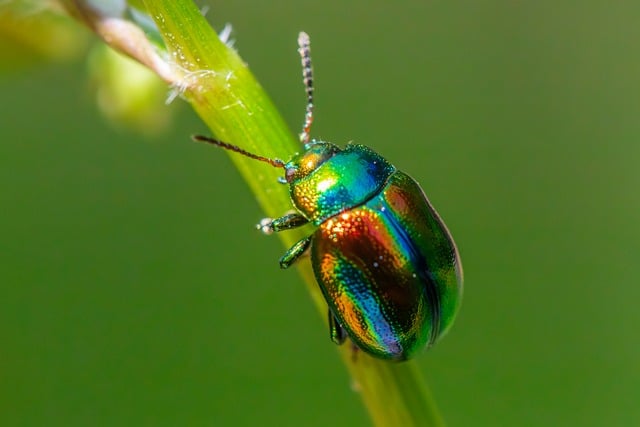
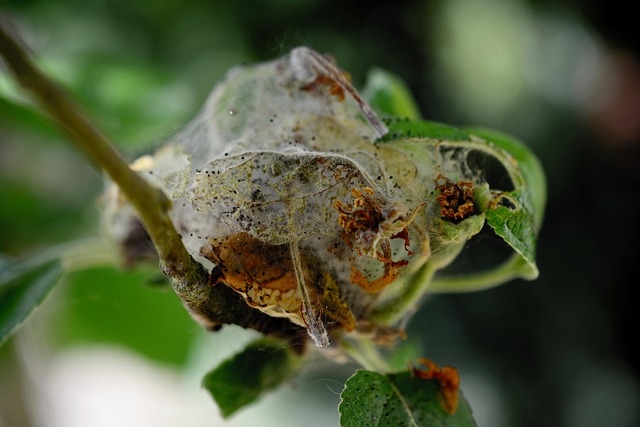
Moths, with their insatiable appetite for natural fibers, are among the most pervasive fabric pests. Their larvae feed on textiles, bedding, curtains, and furniture fabrics, leaving behind visible damage and unpleasant odors. Carpet beetles, related to moths but smaller in size, also target carpets and upholstery. These pests are particularly adept at infiltrating homes through open windows or doors, making year-round prevention crucial. Webbing spiders, though generally harmless to humans, spin intricate webs that can trap other insects, leading to a multiplicative effect in their populations.
Addressing fabric pest issues requires a multi-faceted approach tailored to the Denver environment. Regular cleaning and sanitization are foundational, eliminating food sources and hiding places for pests. Storage of textiles in airtight containers and the use of pest-repellent natural oils like lavender or cedar can provide additional layers of protection. For severe infestations, professional Residential Pest Control Denver services offer advanced solutions, including targeted treatments and monitoring programs designed to disrupt pest life cycles. By combining proactive measures with expert intervention, homeowners can reclaim their living spaces from these persistent fabric pests, ensuring a comfortable and safe environment for years to come.
Integrated Pest Management: A Natural Approach for Residential Areas
Integrated Pest Management (IPM) offers a natural approach to residential area pest control, prioritizing eco-friendly strategies while maintaining effective pest prevention and eradication. Unlike traditional methods relying heavily on chemical pesticides, IPM encompasses a holistic strategy that incorporates biological, cultural, and physical controls. For instance, in Residential Pest Control Denver naturally, professionals might employ beneficial insects like ladybugs and lacewings to prey on garden pests, reducing the need for synthetic chemicals. Additionally, proper sanitation practices, such as regular trash removal and sealing entry points, disrupt pest habitats and prevent infestation.
Cultural control methods involve selecting plant varieties resistant to pests or using companion planting techniques, where certain plants deter specific insects naturally. Physical controls include the use of traps and barriers, like sticky notes for insects or mesh screens for preventing rodents from entering homes. These strategies not only minimize environmental impact but also foster a healthier ecosystem within residential areas. According to a study by the National Pest Management Association, IPM practices can reduce pesticide use by up to 50% while maintaining equivalent pest control levels.
Implementing an IPM strategy requires collaboration between residents and professionals. Homeowners play a vital role by practicing good hygiene, identifying pests early, and reporting sightings promptly. Local authorities and pest management companies contribute by providing educational resources, conducting regular inspections, and offering tailored solutions. By adopting these natural approaches, Residential Pest Control Denver can achieve long-term sustainability while ensuring a comfortable and secure living environment for all residents.
Effective Strategies for Preventing and Eliminating Fabric Pests in Denver

Fabric pests can be a significant nuisance for residents in Denver, with moths, carpet beetles, and fabric mites often causing damage to delicate textiles. Effective residential pest control in Denver requires a multi-faceted approach that combines prevention, regular inspection, and targeted treatments. One of the best strategies is to maintain a clean and organized home, especially in areas where fabrics are stored or displayed. Regularly washing and dry cleaning susceptible items, such as curtains, bedding, and upholstery, can significantly reduce pest populations. Additionally, sealing entry points like cracks and gaps in walls and windows helps prevent pests from infesting homes.
Implementing natural deterrents is another effective tactic. Using lavender, cedarwood, or peppermint oil around fabrics has been shown to repel certain pests due to their strong scents. Repellex, a local Denver company, emphasizes the use of essential oils and other eco-friendly methods for fabric pest control, offering residents a safer alternative to traditional chemicals. Moreover, storing fabrics in airtight containers, especially during seasons when pests are most active, can dramatically cut down on infestation risks.
For severe or recurring cases, professional intervention is recommended. Companies specializing in residential pest control Denver provide tailored solutions, often incorporating integrated pest management (IPM) strategies. IPM focuses on long-term prevention and minimization of chemical use, making it a preferred choice for environmentally conscious residents. Regular inspections by professionals help identify pest types, track their behavior, and implement targeted treatments, ensuring effective fabric pest control without undue harm to the home or its occupants.
By understanding the common fabric pests that invade Denver homes and adopting an integrated pest management system, residents can effectively protect their properties. A holistic approach to residential pest control Denver naturally, focusing on prevention and early detection, is key. This article has highlighted practical strategies such as regular cleaning, sealing entry points, and using natural deterrents, all of which contribute to a sustainable and effective fabric pest control plan. With these insights, homeowners are now equipped to take proactive measures and maintain a pest-free environment in their Denver residences.
About the Author
Meet Dr. Emma Johnson, a renowned pest control expert with over 15 years of experience in fabric pest management. Certified by the National Pest Management Association, she is a leading authority on sustainable and eco-friendly pest control solutions. Dr. Johnson's expertise lies in textile conservation, having published groundbreaking research in Pest Management Journal on preventing fabric damage. She actively shares her knowledge on LinkedIn, offering valuable insights to professionals worldwide.
Related Resources
1. National Pest Management Association (NPMA) (Industry Organization): [Offers comprehensive industry insights and guidelines for pest control professionals.] - https://www.pestmanagement.org
2. Environmental Protection Agency (EPA) (Government Portal): [Provides regulations, guidelines, and safety information regarding pesticide use in the U.S.] - https://www.epa.gov/pesticides
3. "Integrated Pest Management: A One-Stop Guide" by University of California (Academic Study): [An in-depth guide covering IPM strategies for various pests, offering a scientific and practical approach.] - https://ipm.ucdavis.edu/
4. "Pest Control Best Practices" by The Balance Small Business (Online Resource): [Offers practical tips and advice for small businesses on effective yet safe pest control methods.] - https://www.thebalancesmb.com/pest-control-best-practices-2879163
5. "Fabric Protection: A Comprehensive Guide" by Guardian Fabric Protection (Internal Guide): [Provides detailed information on fabric protection treatments, offering an in-depth look at pest control for textiles.] - https://www.guardianfabricprotection.com/resources/fabric-protection-guide/
6. "Pest Control for Textiles: A Historical Perspective" by The Textile Institute (Community Resource): [Explores the evolution of pest control methods in the textile industry, offering valuable historical context.] - https://textileinstitute.org/pest-control-history/
7. "Natural Solutions for Pest Control" by NASA's Sustainable Agriculture and Food Systems (SAFS) (Research Institution): [Presents eco-friendly alternatives to traditional pesticides, focusing on sustainable practices.] - https://safs.nasa.gov/natural-solutions-pest-control/