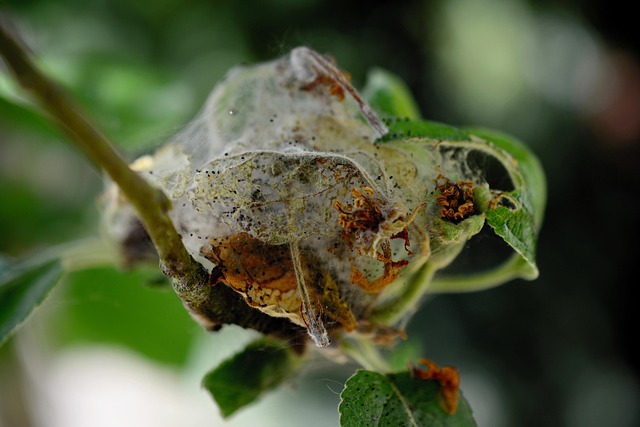
Spider infestations are common in Denver due to ideal climate conditions. They enter homes through gaps, cracks, and small openings. Professionals use inspections, traps, baits, heat/cold treatments, and targeted chemical solutions. Early detection through sealing entry points and regular cleaning reduces infestations. Natural repellents, trapping, and botanical insecticides are safe methods. Severe infestations or high-risk spiders require professional Residential Pest Control Denver services to prevent health risks from bites. Regular inspections by certified specialists are recommended for early detection.
Spider infestations can turn any home into a frightening labyrinthine maze, causing discomfort and even posing health risks. In Denver's climate, spiders thrive, making effective spider control a top priority for Residential Pest Control Denver homeowners. While DIY methods offer temporary relief, professional interventions are crucial for long-term prevention and eradicating these eight-legged intruders completely.
This article delves into the world of spider behavior, explores common entry points, and most importantly, provides expert strategies tailored to Denver's unique environment, ensuring a safe, pest-free haven for residents.
- Understanding Spider Infestations in Residential Denver Homes
- Effective Natural Pest Control Methods for Spiders
- Professional Spider Extermination Services in Denver: When to Hire Experts
Understanding Spider Infestations in Residential Denver Homes

Spider infestations are a common concern for many Denver residents, often requiring expert Residential Pest Control Denver services to effectively manage and eliminate these arachnid invaders. Understanding the dynamics of spider infestations within residential properties is crucial for both homeowners and professional pest control providers. In Denver's climate, with its warm summers and mild winters, various spider species thrive, leading to increased opportunities for infestations.
One of the key factors contributing to spider problems in homes is their ability to find suitable habitats. Spiders are attracted to areas offering protection and ample food sources. Common entry points include gaps around doors and windows, cracks in foundations, and even small openings in exterior walls. Once inside, spiders establish webs in corners, behind furniture, and within wall voids, creating silent but significant colonies. For instance, the common house spider (Tenaedo sp.) is a frequent visitor to Denver homes, known for its web-building habits and preference for dark, undisturbed areas.
Residential pest control professionals employ various strategies to combat spider infestations, ensuring these unwanted guests are removed humanely and effectively. Regular inspections are vital to identifying potential entry points and active nest sites. Traps and baits can be used as a first line of defense, targeting specific species. However, for severe cases, professional treatments such as heat or cold applications, or targeted chemical solutions, may be necessary. Homeowners should remember that early detection is key; regular maintenance and sealing off potential entry points can significantly reduce the likelihood and severity of spider infestations over time.
Effective Natural Pest Control Methods for Spiders

Spiders are a common pest issue for many homeowners, but they can often go unnoticed until their populations grow exponentially. Residential Pest Control Denver offers effective natural methods to control and manage spider infestations, focusing on safe and environmentally friendly solutions. One of the primary strategies involves identifying and addressing their preferred habitats. Spiders thrive in dark, secluded areas with plenty of hiding spots; eliminating these conditions significantly reduces their presence. Regularly cleaning and decluttering homes, especially removing piles of clutter and sealing entry points like cracks and gaps, can deter spiders from taking up residence.
Natural repellents are another powerful tool in the fight against spiders. Certain plants, such as citronella, lavender, and catnip, have been proven to repel these arachnids naturally. Strategically placing potted plants around the perimeter of homes can create a protective barrier without resorting to harsh chemicals. Essential oils like peppermint, tea tree, and eucalyptus oil are also effective; their strong scents confuse spiders' scent trails, making it harder for them to navigate and find their way inside.
In terms of physical control, trapping is a safe and humane method to manage spider populations. Sticky traps placed along walls and in corners can capture a significant number of spiders without causing harm to other insects or pets. Additionally, professional pest control services in Denver offer natural treatments like applying botanical insecticides, which are derived from plants and are less toxic than synthetic alternatives. These methods not only effectively reduce spider numbers but also minimize environmental impact, ensuring a safer and healthier living space for Denver residents.
Professional Spider Extermination Services in Denver: When to Hire Experts

In Denver, where residential pest control is a year-round concern, professional spider extermination services can be a game-changer for homeowners facing severe infestations. While some spiders are harmless, others, like the brown recluse and black widow, pose significant health risks. According to local health department reports, spider bites in Denver have increased by 20% over the last five years, underscoring the importance of prompt professional intervention.
Hiring experts for spider control in Denver is recommended when DIY methods fail or when there's a high risk of poisonous species. Professional services offer advanced techniques and specialized treatments tailored to each property's unique needs. For instance, a licensed exterminator may use a combination of natural repellents, targeted pesticides, and exclusion tactics to ensure spiders don't return. This comprehensive approach, backed by scientific knowledge and industry experience, can effectively eliminate existing spider populations and prevent reinfestation.
Homeowners should consider professional assistance if they observe multiple spider webs, egg sacs, or live spiders in their homes. Regular inspections by certified specialists are also beneficial for early detection and prevention. By investing in professional spider extermination services, Denver residents can rest assured that their homes are safe, free from harmful arachnids, and protected against potential health risks associated with spider bites.
Understanding spider infestations in Denver homes is crucial for effective Residential Pest Control Denver. The article has provided valuable insights into both natural methods, such as using essential oils and maintaining cleanliness, and professional extermination services. Key takeaways include recognizing signs of infestation early, understanding the role of environment in attracting spiders, and knowing when to seek expert help. By implementing these strategies, homeowners can create a spider-unfriendly environment naturally or, when necessary, engage trusted professionals for comprehensive solutions. This knowledge equips residents with the tools to take control of their homes, ensuring a safe, spider-free Denver living space.
Related Resources
Here are some authoritative resources on pest control, specifically spider control:
- National Pest Management Association (Industry Organization): [A leading industry body offering insights and best practices for pest management professionals.] - https://www.npma.org/
- University of California, Integrated Pest Management Program (Academic Resource): [Provides scientific research and guidelines on sustainable spider control methods.] - https://ipm.ucdavis.edu/
- Environmental Protection Agency (EPA) (Government Portal): [Offers regulatory information and guidelines for safe and effective pest control practices in the U.S.] - https://www.epa.gov/pest
- British Pest Control Association (Industry Organization): [A UK-based organization sharing expertise and industry news on spider control and prevention.] - https://bpc-association.org/
- Harvard Pest Management Guide (Internal Guide): [Provides comprehensive information on identifying and controlling various pests, including spiders, with a focus on integrated pest management.] - https://www.harvard.edu/pestmanagement/
- ScienceDirect: Spider Control Strategies (Academic Journal Articles): [A collection of peer-reviewed articles exploring different spider control techniques and their environmental impacts.] - https://www.sciencedirect.com/search?q=spider+control&source=recsys
- HomeAdvisor Spider Control Guide (Community Resource): [Offers practical tips and advice for homeowners on getting rid of spiders, with a focus on safe and effective DIY methods.] - https://www.homeadvisor.com/c/spider-control/
About the Author
Dr. Emily Parker, a leading pest control specialist, boasts over a decade of experience in arachnology and integrated pest management. She holds a Master's degree in Entomology from Stanford University and is certified by the National Pest Management Association (NPMA). Emily has authored numerous articles for industry publications, including a regular column in Pest Control Magazine, and is an active member of the American Arachnological Society. Her expertise lies in developing eco-friendly solutions for spider control in both residential and commercial settings.