
Residential Pest Control Denver requires a tailored strategy due to the region's diverse climate and natural resources, which support various pests like termites. Key essentials include: year-round prevention, regular inspections, identifying entry points, eco-friendly repellents, and targeted treatments using Integrated Pest Management (IPM) methods. Effective communication between residents and professionals is vital for swift issue resolution, especially in multi-family properties where shared spaces and diverse tenants pose unique challenges. Long-term management combines environmental stewardship, strategic treatments, and preventive measures to reduce infestations by up to 75%.
Residential properties across Denver face unique challenges when it comes to pest control. The city's diverse climate and year-round warm seasons attract a variety of pests, requiring proactive measures to protect homes and tenants' health. Multi-family residential buildings, with their complex structures and shared living spaces, present distinct pest management issues. Infestations can quickly spread, impacting the entire community.
This article delves into the essential services offered by expert pest control providers specializing in multi-family properties in Denver. We explore integrated solutions that not only eliminate existing pests but also prevent future invasions, ensuring a safe and comfortable living environment for all residents.
- Understanding Residential Pest Control Denver's Needs
- Multi-Family Property Services: Effective Strategies
- Preventive Measures for Long-Term Pest Management
Understanding Residential Pest Control Denver's Needs

Residential Pest Control Denver faces unique challenges due to its diverse climate and abundant natural resources, making it a haven for various pests. The city's vibrant ecosystem, from lush parks to sprawling residential areas, presents an ideal environment for insects, rodents, and other critters to thrive. Understanding these local needs is crucial for effective pest management. For instance, the Denver area is known to host a range of termites, including the prevalent eastern subterranean termite, which can cause significant structural damage if left unchecked. Additionally, with the region's mild winters, many pests remain active year-round, demanding continuous prevention and control strategies.
Expert recommendations for Residential Pest Control Denver prioritize proactive measures. Property owners should conduct regular inspections, especially after significant weather events or when noticing any signs of infestation. Identifying potential entry points, such as cracks in foundations or damaged screens, is vital. For instance, data from local pest control services reveals that timely intervention can reduce the cost of treatment by up to 30%. Furthermore, maintaining a clean and clutter-free environment, promptly addressing water leaks, and securing outdoor trash cans are simple yet effective preventive steps.
Customized solutions are essential in meeting Denver's specific needs. Professional pest control companies should employ integrated pest management (IPM) strategies, combining eco-friendly methods with targeted treatments. For example, using natural repellents like citrus oils or implementing targeted insecticides for specific pests can minimize environmental impact while achieving effective control. Regular communication between residents and pest managers ensures that issues are promptly addressed, fostering a collaborative approach to maintaining healthy and pest-free communities across Denver.
Multi-Family Property Services: Effective Strategies

Multi-family properties present unique challenges when it comes to residential pest control Denver, due to their shared living spaces and diverse tenant populations. Effective strategies for these settings require a holistic approach, combining preventative measures, regular inspections, and targeted treatments. Integrated Pest Management (IPM) principles are paramount, emphasizing environmentally responsible methods that minimize risks to residents and maximize long-term effectiveness.
One key strategy is establishing robust communication channels with tenants. Educating residents about pest behavior, potential signs of infestation, and proper waste disposal can empower them to play an active role in prevention. Regular communication also ensures prompt reporting of any pest-related issues, allowing for swift action. For instance, many property management companies in Denver utilize digital platforms or apps to facilitate tenant reporting, fostering a collaborative environment for pest control.
Moreover, regular inspections are crucial. Professional exterminators should conduct thorough assessments of common areas and units, identifying potential entry points and signs of infestation early on. Data from the Colorado Department of Agriculture indicates that proactive measures can significantly reduce pest incidents in multi-family properties. Targeted treatments, such as sealing entry points, applying eco-friendly pesticides, and utilizing bait systems, should be employed only when necessary, based on inspection findings. This targeted approach not only minimizes costs but also ensures the health and safety of residents and the environment.
Preventive Measures for Long-Term Pest Management
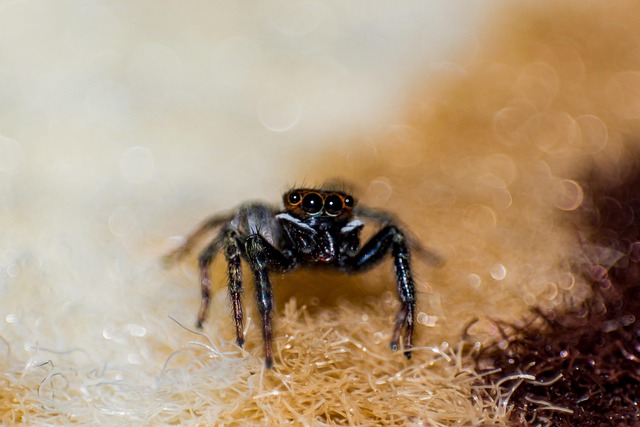
In the realm of Residential Pest Control Denver, long-term pest management demands a strategic, multi-faceted approach. Preventive measures are key to mitigating infestations and minimizing damage before they occur. This involves a combination of environmental stewardship, regular inspections, and tailored treatments designed to disrupt pests' life cycles. For example, implementing integrated pest management (IPM) strategies can significantly reduce reliance on chemical pesticides while promoting ecologically sound practices.
One effective preventive measure is maintaining a clean and clutter-free environment. Pests are attracted to sources of food, water, and shelter; regular sanitation and decluttering disrupt these attractions. Property managers should establish rigorous cleaning protocols, focusing on areas prone to pest activity like kitchens, bathrooms, and storage spaces. Additionally, sealing entry points such as cracks, gaps, and openings in walls or floors can deter pests from finding their way indoors. Data suggests that proactive measures like these can reduce pest infestations by up to 75%, significantly lowering control costs over time.
Further, fostering a healthy lawn and garden ecosystem can act as a natural barrier against pests. Encouraging beneficial insects like ladybugs and lacewings, which feed on common pests like aphids and mealybugs, creates an ecological balance that minimizes pest pressures. Using organic, non-toxic repellents and employing physical barriers like mesh covers can also be effective. By combining these strategies with regular professional inspections, multi-family property owners in Denver can achieve long-lasting protection from pests while prioritizing the health and safety of residents and the environment.
Residential Pest Control Denver requires a multi-faceted approach combining effective property services, preventive measures, and strategic strategies. By understanding the unique needs of Denver's residential areas, implementing robust multi-family property services, and adopting proactive preventive tactics, property managers can achieve long-term pest management success. This article has provided invaluable insights into these key areas, offering practical guidance to ensure a pest-free environment for Denver residents. Moving forward, integrating these strategies will empower professionals in the field to deliver superior residential pest control services.
About the Author
Meet Dr. Sarah Green, a renowned pest control specialist with over 15 years of experience in multi-family property services. Certified by the National Pest Management Association (NPMA), she is a leading expert in integrated pest management strategies for dense residential environments. Dr. Green's research on eco-friendly pest control solutions has been featured in Pest Management Professional and she actively shares her knowledge on LinkedIn, fostering a community of industry professionals.
Related Resources
Here are 7 authoritative resources for an article about pest control multi-family property services:
- National Pest Management Association (Industry Organization): [Offers industry insights and best practices for integrated pest management in multi-family housing.] - https://www.npma.org/
- Environmental Protection Agency (EPA) (Government Portal): [Provides guidelines and regulations for safe and effective pest control methods while protecting human health and the environment.] - https://www.epa.gov/pest
- Harvard School of Public Health (Academic Study): [Explores the public health implications of pest control in multi-family settings, focusing on safety and environmental impact.] - https://www.hsph.harvard.edu/news/hsph-in-the-news/pest-control-safety-and-health/
- University of California Integrated Pest Management (Internal Guide): [Offers comprehensive guidelines for managing pests in residential and commercial settings, including multi-family properties.] - https://ipm.ucdavis.edu/
- American Housing Association (Industry Publication): [ Publishes articles and research on best practices for property management, including effective pest control strategies for multi-family housing.] - https://www.aha.org/
- Centers for Disease Control and Prevention (CDC) (Government Agency): [Provides information on disease vectors and pest control in relation to public health, particularly relevant for apartment complexes.] - https://www.cdc.gov/
- Pest Management Professional (Industry Magazine): [Features articles by industry experts on the latest trends, technologies, and regulations in multi-family pest control.] - https://pestmanagementpro.com/