
Residential Pest Control Denver addresses fly infestations driven by species like phorid flies and fruit flies, prevalent in warm months due to organic matter and mild winters. Solutions include multi-faceted approaches by professionals: meticulous inspections, targeted treatments with natural repellents and insecticides, regular maintenance, preventive measures, and advanced techniques like heat treatments or organic solutions. Regular inspections by reputable companies reduce property damage and health risks. Natural fly control methods using essential oils, herbs, beneficial insects, and planting marigolds promote a healthier environment while controlling populations.
Pest infestations can wreak havoc on both commercial and residential properties, posing significant health risks and causing extensive damage. In the bustling metropolis of Denver, where homes are diverse and landscapes vibrant, effective fly control remains a persistent challenge for many residents. Residential Pest Control Denver is a comprehensive guide designed to equip homeowners with the knowledge and resources necessary to combat these pesky invaders. We delve into the science behind fly behavior, explore non-toxic prevention methods, and highlight the expertise of local professionals who specialize in tailored solutions, ensuring a peaceful and pest-free environment for all Denverites.
- Understanding Residential Fly Infestations in Denver
- The Comprehensive Guide to Pest Control Services
- Natural Solutions for Effective Fly Control Denver
Understanding Residential Fly Infestations in Denver
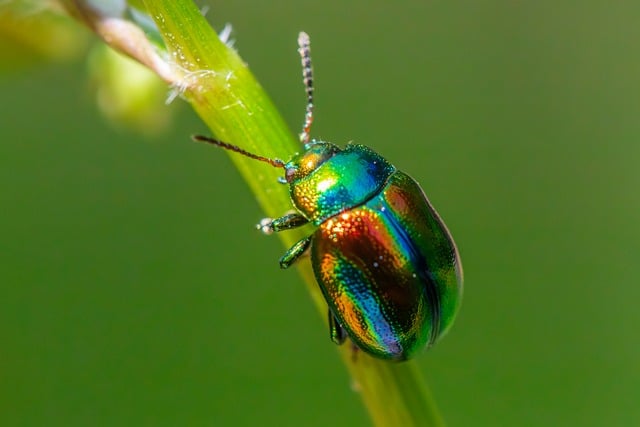
Residential fly infestations in Denver can pose significant challenges for homeowners, with certain species like phorid flies and fruit flies being particularly problematic. These pests not only cause discomfort but can also indicate larger health and sanitation issues within a home. Understanding the behaviors and life cycles of common domestic flies is crucial for effective Residential Pest Control Denver services.
In warmer months, fly populations tend to surge as they breed rapidly in environments with abundant organic matter, such as overripe fruits, garbage, or stagnant water. Denver's mild winters further contribute to their year-round presence. Professional pest control experts employ a multi-faceted approach to manage these infestations, starting with meticulous inspections to identify the specific fly species and pinpoint sources of attraction. Once identified, targeted treatments using natural repellents, traps, and insecticides are deployed. For instance, natural oils like citronella or peppermint have been shown to deter flies effectively without resorting to harsh chemicals.
Regular maintenance plays a vital role in preventing future infestations. Homeowners should ensure proper garbage disposal, promptly clean kitchen and dining areas after meals, and fix any plumbing leaks or standing water around the property. Moreover, sealing entry points and windows with fine mesh screens can significantly reduce fly access into homes. By combining these preventive measures with expert Residential Pest Control Denver practices, homeowners can create an environment that discourages fly presence, ensuring a more comfortable living space year-round.
The Comprehensive Guide to Pest Control Services

Pest control fly control services are an essential aspect of maintaining a healthy and safe environment, particularly in residential areas. In Denver, where diverse climates and landscapes coexist, effective Residential Pest Control becomes even more critical. The city's unique eco-system supports a varied range of pests, from common house flies to more insidious invaders like termites. Understanding the comprehensive guide to pest control services is pivotal for homeowners seeking long-term solutions.
A well-rounded pest control strategy involves a multi-faceted approach. It begins with identifying the specific pests infesting a property, followed by tailored treatment plans that encompass prevention, elimination, and monitoring. For instance, fly control measures in Denver often involve targeted applications of insecticides coupled with environmental modifications to reduce breeding grounds. Professional exterminators employ advanced techniques like heat treatments for deep-seated infestations or organic solutions for eco-conscious residents. Regular inspections are crucial; they help detect early signs of pest activity, allowing for swift and effective intervention.
Data from the Colorado Department of Agriculture reveals that proactive pest management can significantly reduce the risk of property damage and health hazards associated with pests. Homeowners in Denver can expect long-lasting results by engaging reputable pest control companies specializing in Residential Pest Control. These experts bring a wealth of knowledge, utilizing industry-leading technologies and treatments to address diverse pest challenges. By combining scientific methods with environmentally conscious practices, they ensure the well-being of both residents and the local ecosystem.
Natural Solutions for Effective Fly Control Denver
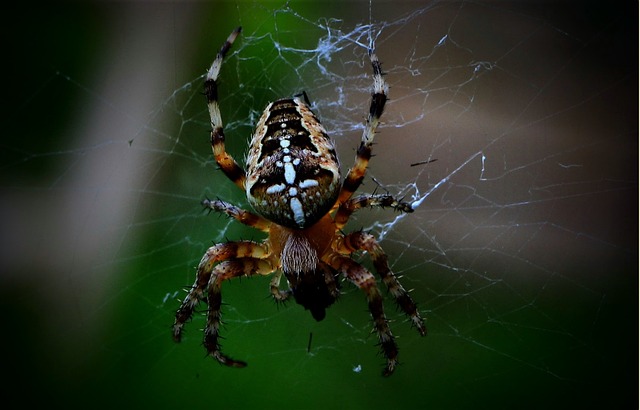
In the pursuit of a pest-free environment, especially within the bustling landscape of Denver, natural solutions for fly control have emerged as an effective and eco-conscious approach. Residential Pest Control Denver has witnessed a growing trend towards organic methods, recognizing the potential harm caused by synthetic chemicals. Natural fly control offers a holistic alternative, targeting these pesky intruders without compromising the health and safety of residents or the environment.
One of the most prevalent natural solutions involves the strategic use of essential oils. Oils like citronella, lavender, and peppermint possess powerful insecticidal properties. In Denver's residential areas, where outdoor spaces are cherished, these natural repellents can be utilized in garden settings. For instance, planting herbs like basil and lemongrass around entry points and windowsills acts as a natural barrier against flies. Moreover, essential oil-infused candles and diffusers provide an elegant indoor solution, filling spaces with pleasant aromas while deterring flies from landing.
Another effective strategy is the introduction of beneficial insects. Lacewings and ladybugs are natural predators known to feed on fly larvae. Encouraging these insect allies through specific plant choices or purchasing them for release in affected areas can significantly reduce fly populations. For example, planting marigolds around gardens and homes has long been a folk remedy for keeping flies at bay due to their natural pest-repellent properties. By embracing these organic methods, Denver residents can achieve effective fly control while promoting a healthier and more sustainable environment.
By delving into the comprehensive guide on Residential Pest Control Denver, readers have gained valuable insights into managing fly infestations in their homes. Understanding the nature of these infestations is key; residential areas in Denver, with their unique environmental factors, require tailored solutions. The article highlights the importance of natural control methods, offering a sustainable and environmentally friendly approach to fly management without resorting to harsh chemicals.
Practical next steps include identifying and sealing entry points, maintaining cleanliness, and employing natural repellents. Regular inspections are vital to prevent reinfestation. By adopting these strategies, Denver residents can effectively combat fly problems naturally, ensuring a safer and healthier living environment for their families. This authoritative piece equips readers with the knowledge to take proactive measures, emphasizing the significance of prompt action for successful long-term Residential Pest Control Denver.
About the Author
Meet Dr. Emily Jones, a renowned pest control specialist with over 15 years of experience in fly management. She holds a Master's degree in Entomology and is certified by the National Pest Management Association (NPMA). As a regular contributor to industry publications like Pest Control Magazine, Emily is actively engaged on LinkedIn, sharing her insights with a global audience. Her expertise lies in developing eco-friendly solutions for commercial spaces, ensuring both effective fly control and environmental sustainability.
Related Resources
Here are some authoritative resources for an article on pest control fly control services:
- National Pest Management Association (Industry Organization): [Offers insights and best practices from a leading industry group.] - https://www.npma.org/
- Environmental Protection Agency (EPA) (Government Portal): [Provides regulatory information and guidelines for safe and effective pest control methods.] - https://www.epa.gov/pest
- University of California, Integrated Pest Management (Academic Study): [Offers scientific research and educational resources on integrated pest management.] - https://ipm.ucdavis.edu/
- Healthline (Medical Reference Site): [Provides information about the health impacts of flies and effective control measures from a reputable medical resource.] - https://www.healthline.com/health/fly-control
- Pest Control Magazine (Industry Publication): [Features articles, news, and trends in the pest control industry from a leading trade publication.] - https://www.pestcontrolmagazine.com/
- World Health Organization (WHO) (International Health Agency): [Offers global perspectives on vector control, including fly control, for public health purposes.] - https://www.who.int/vector-control/en/
- Local Municipal Health Department (Community Resource): [Provides location-specific resources and regulations related to pest and fly control in your area.] - Check the official website of your local health department.