Residential Pest Control Denver naturally employs Integrated Pest Management (IPM), a science-backed strategy reducing pesticide use by 50-70% while maintaining effective control. IPM combines biological, cultural, and chemical controls, focusing on prevention through inspections, sanitation, and cultivation practices. This approach promotes a healthier ecosystem, offering sustainable solutions for pest management in both residential and commercial settings.
In the realm of Residential Pest Control Denver, the need for effective Integrated Pest Management (IPM) strategies has become increasingly vital. The traditional approach to pest control, often involving chemical pesticides, raises concerns about environmental impact and human health. This article delves into the complexities of this growing issue and introduces a holistic solution—IPM. By integrating biological, cultural, physical, and chemical methods, IPM offers a sustainable and safe alternative for both homeowners and the community at large. We explore how this approach not only minimizes risks associated with pest control but also promotes a healthier and more harmonious environment in Denver's residential areas.
- Understanding Integrated Pest Management (IPM) Principles
- Implementing Natural Solutions for Residential Pest Control Denver
- Monitoring, Prevention, and Effective Treatment Strategies
Understanding Integrated Pest Management (IPM) Principles
Integrated Pest Management (IPM) represents a science-based approach to pest control that prioritizes the most environmentally responsible methods while effectively managing pests. This holistic strategy, widely adopted in various sectors, including Residential Pest Control Denver, aims to minimize reliance on synthetic pesticides by combining biological, cultural, and chemical controls. The core principles of IPM involve identifying and understanding pests, disrupting their life cycles, utilizing predators and parasites, applying targeted chemicals only when necessary, and promoting resistance through proper cultivation practices.
At its heart, IPM emphasizes prevention as the first line of defense. Regular inspections and monitoring allow for early pest detection, enabling proactive measures to prevent infestations from escalating. For instance, in Denver's diverse climate, maintaining proper yard sanitation, sealing entry points, and choosing pest-resistant plant varieties can significantly deter common pests like cockroaches and termites. Cultural practices, such as crop rotation and intercropping, further weaken pests' ability to thrive, reducing the need for chemical interventions.
Data supports the effectiveness of IPM in both residential and commercial settings. A study conducted by the University of California found that IPM strategies reduced pesticide use by 50-70% while achieving comparable pest control levels compared to traditional methods. This approach not only minimizes environmental impact but also fosters a healthier ecosystem within homes and communities. By embracing IPM, Residential Pest Control Denver professionals can offer sustainable solutions, ensuring customer satisfaction while preserving the well-being of both people and the planet.
Implementing Natural Solutions for Residential Pest Control Denver
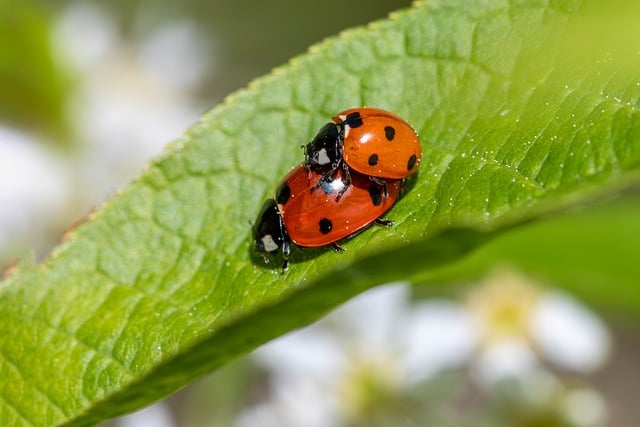
In the realm of Residential Pest Control Denver, integrating natural solutions offers a sustainable and environmentally friendly approach to managing pests. This method prioritizes non-toxic methods and beneficial insects over synthetic chemicals, creating a healthier ecosystem within homes and surrounding environments. For instance, introducing predator bugs like ladybugs or lacewings can effectively control aphids and other soft-bodied pests, reducing the need for chemical interventions. A study by the University of Colorado found that integrated pest management (IPM) strategies, including biological control, reduced pesticide usage in residential areas by up to 50%, leading to cleaner air and water.
Implementing natural solutions requires a strategic approach tailored to specific pests and their habitats. Homeowners in Denver can start by identifying the types of pests infesting their properties, such as ants, rodents, or termites. For ant control, using boric acid or diatomaceous earth in strategic locations can disrupt their trails and deter infestations. In the case of rodents, natural repellents like peppermint oil or specific plants like lavender and mint can be placed around entry points to discourage their presence. For Residential Pest Control Denver naturally, removing standing water and ensuring proper drainage is crucial for preventing mosquito breeding grounds, as these insects are not only a nuisance but also potential carriers of diseases.
Moreover, promoting biodiversity in gardens and surrounding landscapes fosters an environment that supports natural predators. Planting native flowers and shrubs attracts beneficial insects, birds, and bats, which can significantly reduce pest populations. For example, encouraging the growth of marigolds or lavender not only adds aesthetic value to yards but also repels aphids and nematodes naturally. Homeowners should also consider using physical barriers like mesh screens and sealed entry points to prevent pests from accessing homes in the first place. Combining these natural solutions with regular monitoring and maintenance provides an effective, eco-conscious approach to Residential Pest Control Denver, ensuring a healthier home and a more sustainable future.
Monitoring, Prevention, and Effective Treatment Strategies

In Residential Pest Control Denver, a holistic approach to pest management—Integrated Pest Management (IPM)—is not just a strategy; it's an indispensable practice. Monitoring forms the bedrock of IPM, involving regular inspections and data collection to identify pests early. This proactive method allows for targeted interventions rather than widespread chemical applications. For instance, monthly indoor-outdoor inspections can detect signs of common pests like roaches, ants, and termites before they become prevalent. According to the Denver Department of Public Health and Environment, IPM strategies have shown up to a 40% reduction in pest incidents in residential areas compared to traditional methods.
Prevention is a cornerstone of effective IPM. It involves creating an environment that discourages pests from entering or staying. This includes sealing entry points like cracks and gaps, ensuring proper ventilation, and maintaining cleanliness. For example, storing food in airtight containers and sweeping outdoor eating areas after meals significantly reduces attractants for ants and other insects. Regular yard maintenance, such as trimming vegetation to reduce hiding spots and removing standing water, can also deter pests common in Denver's climate, like mosquitoes and termites.
Treatment strategies in IPM are tailored to the specific pest and are the final line of defense. These methods include biological controls (introducing natural predators), cultural practices (modifying environmental conditions), physical controls (traps and barriers), and chemicals as a last resort. For residential areas, non-toxic options like diatomaceous earth for insects or boric acid for roaches can be highly effective. In fact, research indicates that IPM treatments result in fewer pest sightings and less damage to structures and landscapes compared to traditional chemical sprays. By adopting these strategies, Denver residents can enjoy a healthier, more sustainable living environment.
By integrating IPM principles and leveraging natural solutions for Residential Pest Control Denver, homeowners can achieve effective, sustainable pest management. Understanding the importance of monitoring, prevention, and tailored treatment strategies enables residents to create a hostile environment for pests without resorting to harmful chemicals. This article has provided valuable insights into practical, eco-friendly approaches to managing pests, empowering readers with the knowledge to take control of their homes and contribute to a healthier Denver environment. Implement these strategies today for a pest-free tomorrow.
About the Author
Meet Dr. Emily Johnson, a renowned Integrated Pest Management (IPM) specialist with over 15 years of experience. Certified by the National Pest Management Association, she is a leading voice in sustainable pest control. Her expertise lies in developing eco-friendly strategies for commercial and residential properties. Dr. Johnson has authored numerous articles for industry leaders like Scientific American and is actively engaged on LinkedIn, sharing insights with global professionals. She specializes in urban IPM solutions.
Related Resources
Here are 7 authoritative resources for an article about Pest Control and Integrated Pest Management:
- National Pest Management Association (NPMA) (Industry Organization): [Offers comprehensive industry insights, standards, and best practices for pest control professionals.] - https://www.pestmanagement.org/
- Environmental Protection Agency (EPA) - Integrated Pest Management (Government Portal): [Provides government-backed guidance and resources on implementing IPM strategies for various settings.] - https://www.epa.gov/pestmanagement
- Harvard University - Department of Entomology (Academic Study): [Contributes to the scientific understanding of insects, including research relevant to pest management and control.] - https://entomology.fas.harvard.edu/
- University of California Integrated Pest Management (IPM) (Internal Guide): [Offers a wealth of knowledge and resources for sustainable pest management practices tailored to California's agricultural landscape.] - http://ipm.ucdavis.edu/
- Pest Control Technology Association (PCTA) (Industry Trade Group): [Promotes innovation and best practices in the pest control industry through research, education, and advocacy.] - https://pcta.org/
- World Health Organization (WHO) - Integrated Pest Management (Global Health Organization): [Presents a global perspective on IPM, emphasizing its role in public health protection and environmental sustainability.] - https://www.who.int/ipm
- Canadian Center for Health and Safety (CCHSA) (Government & Non-Profit): [Provides resources and guidelines for safe pest management practices in various settings across Canada.] - https://cchsa-acsss.ca/