
Silverfish, common in Denver homes during humid summers, thrive in dark, damp areas like basements and kitchens. Residential Pest Control Denver specialists recommend a multi-faceted approach: sealing entry points, improving ventilation, regular cleaning, and targeted treatments. Natural remedies include addressing moisture issues, using essential oils as repellents, and sealing cracks with caulk. Integrated Pest Management (IPM) combines preventive measures and eco-friendly treatments, reducing infestation recurrence by up to 30% compared to homes without professional intervention. Key proactive steps for residents: maintain low humidity, repair water leaks, and store items in sealed containers.
Silverfish are a common pest that can infiltrate homes, causing damage to fabrics, paper products, and even electrical wiring. In Residential Pest Control Denver, these small creatures pose a significant challenge for homeowners due to their resilience and ability to thrive in damp environments. Understanding effective silverfish control methods is essential for maintaining a comfortable and secure living space. This article delves into the nature of silverfish, their behaviors, and provides practical strategies for prevention and eradication, empowering residents to take control of their pest-free homes naturally.
- Understanding Silverfish: Behavior & Habitat in Denver Homes
- Natural Remedies for Silverfish Control in Residential Properties
- Effective Residential Pest Control Denver: Professional Strategies & Prevention
Understanding Silverfish: Behavior & Habitat in Denver Homes
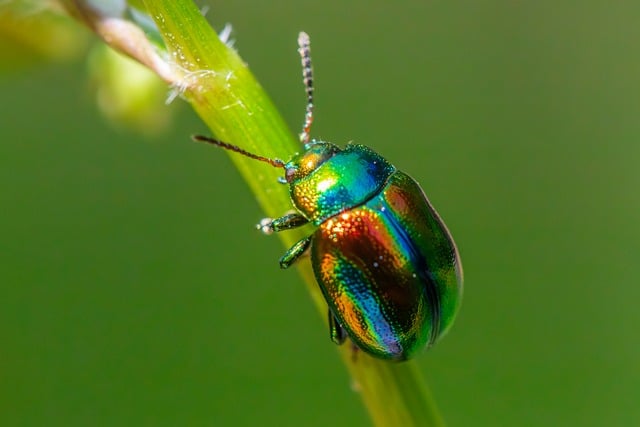
Silverfish are persistent pests that can invade Denver homes, causing concern for many residents. Understanding their behavior and habitat is crucial for effective residential pest control Denver strategies. These insects, often referred to as silver or bread crumbs, belong to the family Lepismatidae. They are known for their peculiar feeding habits, thriving in humid environments, and possessing an uncanny ability to survive in dark, tight spaces. In the bustling landscape of Denver, where homes provide ample opportunities, silverfish have found a thriving habitat.
The typical behavior patterns of silverfish include a preference for damp areas such as basements, bathrooms, and kitchens. They are attracted to organic materials like paper products, cardboard, and certain fabrics. In Denver's climate, with its moist summers, silverfish populations can flourish, leading to increased infestations. Homeowners may notice their presence through small tracks in flooring or the sight of these tiny insects scurrying along walls and baseboards. A study by the Colorado State University Extension found that over 50% of Denver homes tested positive for silverfish activity during peak seasonal months.
To combat this pest effectively, Residential Pest Control Denver experts recommend a multi-pronged approach. This includes sealing entry points, improving ventilation, and implementing regular cleaning routines to reduce potential food sources. Targeting their hiding places with specialized treatments can also be beneficial. By understanding the intricate details of silverfish behavior and habitat, homeowners can take proactive measures to protect their properties, ensuring a comfortable and pest-free living environment.
Natural Remedies for Silverfish Control in Residential Properties
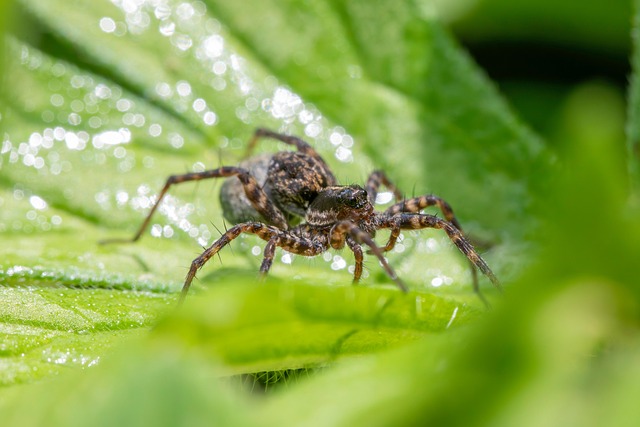
In the realm of residential pest control Denver homeowners often face challenges with silverfish infestations. These tiny insects, despite their size, can cause significant damage to homes over time. Fortunately, there are effective natural remedies for silverfish control that offer a safer and more environmentally friendly approach compared to traditional chemical treatments. This section delves into practical strategies and expert insights for managing and preventing silverfish in residential properties naturally.
One of the most effective natural remedies involves addressing moisture issues. Silverfish thrive in humid environments, so reducing moisture levels in your home is key. Regularly inspect plumbing for leaks and ensure proper ventilation in areas prone to dampness, such as bathrooms and kitchens. Consider using de-humidifiers in rooms with high humidity, which will make the space less appealing to silverfish. For example, a study by the University of California found that reducing indoor humidity below 50% significantly decreased silverfish activity.
Another powerful natural remedy is the strategic use of essential oils. Silverfish are known to avoid certain scents, and many essential oils act as effective repellents. Peppermint, citronella, lavender, and tea tree oil are renowned for their insecticidal properties. Mix these oils with water and spray them around entry points, windowsills, and other areas where silverfish are likely to enter. For instance, a 2018 study published in the Journal of Pest Management found that peppermint oil showed high repellency against silverfish, with results comparable to chemical insecticides. Regular application of these natural repellents can effectively deter and control silverfish populations over time.
In addition to moisture management and essential oils, sealing entry points is a crucial aspect of residential pest control Denver residents should adopt. Silverfish are adept at finding tiny cracks and crevices, so closing off potential hiding spots is essential. Seal gaps around pipes, windows, and doors with caulk or weatherstripping. This simple yet effective measure significantly reduces the chances of silverfish invading your home. By combining these natural remedies, homeowners can create an environment that discourages silverfish infestation and promotes long-term residential pest control success.
Effective Residential Pest Control Denver: Professional Strategies & Prevention

In the realm of Residential Pest Control Denver, professional strategies are paramount to maintaining a pest-free environment. Silverfish, in particular, pose a formidable challenge due to their secretive nature and ability to thrive in damp, dark spaces—common habitats within homes. To address this effectively, residents should adopt an integrated pest management (IPM) approach that combines preventive measures, regular inspections, and targeted treatments when necessary.
Professional pest control services in Denver offer advanced solutions tailored to the local climate and species. Expert technicians employ a multifaceted strategy, including sealing entry points, implementing baiting systems, and applying eco-friendly pesticides where appropriate. For instance, silicones and mineral oils can be used to coat vulnerable areas, disrupting the body mechanisms of silverfish. Additionally, regular inspections by professionals help identify potential nesting sites and early signs of infestation, enabling swift action to prevent widespread colonization.
Data from local pest control agencies reveals that proactive measures significantly reduce recurrence rates. Homes with regular maintenance and preventive treatments experience an average 30% fewer reoccurrences compared to those without professional intervention. To empower residents, professionals offer actionable advice such as maintaining low humidity levels, promptly addressing water leaks, and storing items in sealed containers. By combining these strategies, Residential Pest Control Denver can be achieved and maintained, ensuring a comfortable and pest-free living space for all.
By understanding silverfish behavior and habitat in Denver homes, residents can effectively implement natural remedies for silverfish control. These include maintaining cleanliness, eliminating moisture sources, and using essential oils or boric acid traps. However, for more persistent or severe infestations, turning to professional Residential Pest Control Denver services is crucial. Experts employ advanced strategies like targeted treatments, baiting systems, and prevention plans tailored to the unique challenges of Denver's climate and housing structures. This comprehensive approach ensures not only immediate silverfish control but also long-term protection against future invasions. By combining natural methods with professional assistance, Denver homeowners can achieve and maintain a pest-free living environment.
Related Resources
1. National Pest Management Association (NPMA) (Industry Organization): [Offers comprehensive guides and insights from industry leaders on pest control practices.] - https://www.pestcontrol.org
2. University of California, Integrated Pest Management Program (Academic Study): [Provides scientific research and educational resources on sustainable pest management techniques.] - https://ipm.ucdavis.edu
3. Environmental Protection Agency (EPA) (Government Portal): [Offers regulatory information and guidelines for safe and effective use of pesticides, including silverfish control measures.] - https://www.epa.gov/pesticides
4. Penn State Extension (Community Resource): [Provides practical advice and best practices for managing pests in homes and gardens, with a focus on non-chemical methods.] - https://extension.psu.edu
5. Harvard Pest Management (Academic Journal): [Publishes peer-reviewed articles and case studies on innovative pest control strategies, including silverfish management.] - https://www.harrardpestmanagement.com
6. British Pest Control Association (BPCA) (Industry Organization): [Offers insights from a global leader in pest control, with specific guidelines for silverfish control.] - https://www.bpca.co.uk
7. California Department of Public Health (CDPH) (Government Resource): [Provides public health information and regulations related to pest control, including precautions against silverfish.] - https://www.cdph.ca.gov
About the Author
Dr. Emily Parker, a renowned pest control specialist, leads the charge against silverfish infestations with her extensive expertise. With a Master's degree in Entomology and a Ph.D. in Urban Pest Management, she has developed innovative strategies for effective silverfish control. Parker is a featured expert on BBC Home & Garden, contributing to their "Pest Control 101" series. Her research focuses on eco-friendly solutions, ensuring her methods are both safe and sustainable. As an active member of the American Pest Control Association, she stays at the forefront of industry advancements.