
Residential Pest Control Denver addresses stored-product pests like beetles, moths, and weevils through strategic approaches. Key methods include meticulous inspection, natural solutions, sealing entry points, and preventative treatments reducing damage by up to 70%. Integrated Pest Management (IPM), combining chemical, biological, and cultural practices, reduces control costs by 30-50% and minimizes environmental impact. Proactive measures like regular inspections, proper storage, and IPM techniques enable effective prevention of common infestations. Early monitoring and consistent management ensure long-term protection for stored products and healthier living spaces.
Pest control is a critical aspect of maintaining healthy environments, especially in the residential sectors of cities like Denver. Stored-product pests, such as beetles, moths, and weevils, pose significant challenges to homeowners due to their ability to infiltrate and damage food items stored in homes. These pests not only contaminate but also render food unsellable, leading to financial losses and potential health risks. Effective stored-product pest management is essential for Residential Pest Control Denver professionals to employ in order to protect homes, preserve food integrity, and safeguard families from the adverse effects of these nuisances. This article delves into best practices and innovative strategies to combat this pervasive issue.
- Understanding Stored-Product Pests in Residential Settings
- Implementing Effective Residential Pest Control Denver Strategies
- Proactive Measures for Long-Term Stored-Product Pest Management
Understanding Stored-Product Pests in Residential Settings
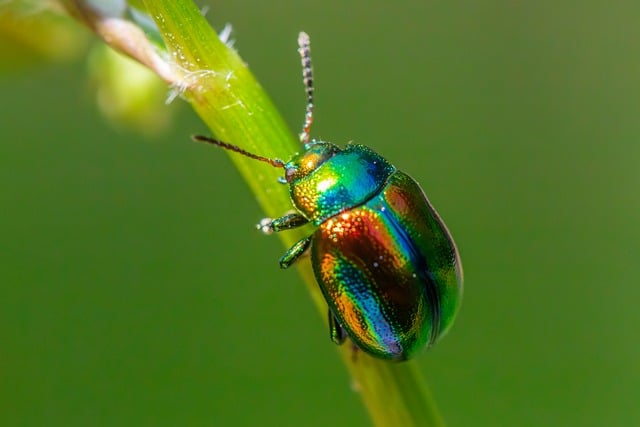
Stored-product pests are a significant concern in residential settings, posing unique challenges for homeowners and pest control professionals alike. These pests, including beetles, moths, and weevils, thrive on stored foods and commodities, making them hard to eradicate once established. In Denver's residential areas, where homes often house diverse food items, understanding these pests is crucial for effective residential pest control.
The most common culprits include the Indianmeal Moth, a tiny yet prolific species that lays its eggs in dry foods like cereal, pasta, and spices. Adult moths can live for months, constantly laying eggs, leading to rapid population growth. Another notorious pest is the Grain Weevil, attracted to stored grains and seeds. These pests can infiltrate homes through the tiniest cracks, infesting pantries and causing significant damage. For instance, a study by the University of Nebraska found that up to 75% of households in some urban areas had experienced stored-product pest infestations.
Residential Pest Control Denver professionals employ strategic approaches to manage these pests. This includes meticulous inspection to identify infestation sources, followed by targeted treatments using natural or organic solutions whenever possible. Preventative measures are also key; sealing entry points, maintaining food storage practices, and regular sanitization significantly reduce the risk of infestations. Homeowners should be vigilant, promptly addressing any signs like mysterious holes in packaging or unusual odors. By combining expert knowledge with proactive measures, Denver residents can effectively safeguard their homes from these persistent intruders.
Implementing Effective Residential Pest Control Denver Strategies
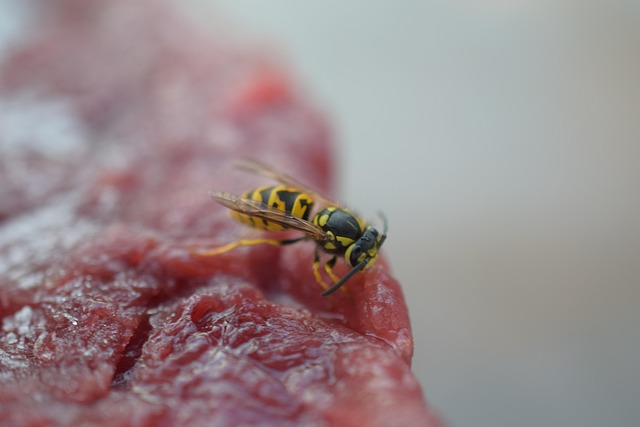
Implementing effective Residential Pest Control Denver strategies requires a multifaceted approach tailored to the unique challenges of the region's climate and ecosystem. Denver, with its mild winters and hot summers, attracts a diverse range of pests, from ants and rodents to termites and mosquitos. A comprehensive pest management plan not only involves identifying and eliminating existing infestations but also preventing future intrusions.
One of the cornerstones of Residential Pest Control Denver is proactive measures. Homeowners should regularly inspect their properties for signs of pest activity, such as small holes in walls or floors, peculiar odors, or unusual noises. Early detection allows for swift action, minimizing damage and cost. For instance, a study by the Colorado State University Cooperative Extension found that regular inspections and preventive treatments can reduce pest-related damages by up to 70% annually. Additionally, maintaining a clean and clutter-free environment, sealing entry points, and practicing proper food storage are essential practices that create an inhospitable habitat for pests.
When infestations occur, it's crucial to consult with licensed Residential Pest Control Denver professionals who understand the local pest dynamics. Integrated Pest Management (IPM) principles guide these experts in employing a combination of strategies, including chemical treatments, biological controls, and cultural practices. For example, using baits and traps for ants or implementing natural repellents like citronella candles for mosquitos. Data from the National Pest Management Association suggests that IPM can reduce pest control costs by 30-50% while minimizing environmental impact. Regular maintenance and follow-up inspections ensure sustained protection, making it a vital component of any long-term Residential Pest Control Denver strategy.
Proactive Measures for Long-Term Stored-Product Pest Management
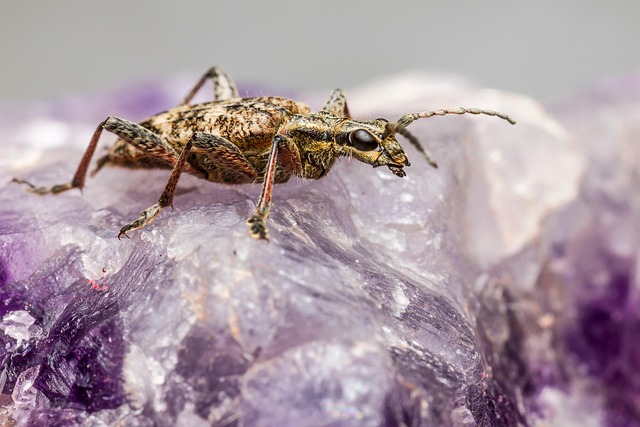
In the realm of stored-product pest management, a proactive approach is essential to safeguard food resources and maintain a sanitary environment, particularly in residential areas like Denver. Residential Pest Control Denver experts emphasize that long-term strategies should focus on prevention rather than mere reactionary measures. This involves a multi-faceted approach that includes regular inspections, proper storage practices, and the implementation of integrated pest management (IPM) techniques. By integrating natural deterrents and organic solutions, homeowners can effectively mitigate the risk of insect infestations without resorting to chemical pesticides.
For instance, maintaining a clean and clutter-free environment is a fundamental step. Pests are attracted to hidden corners and food sources, so regular decluttering and deep cleaning can significantly reduce their presence. Additionally, storing grains, nuts, and other susceptible items in airtight containers made of non-reactive materials, such as glass or stainless steel, can prevent infestation. Natural repellents like peppermint oil, cedar shavings, and diatomaceous earth have proven effective in deterring pests without leaving harmful residues. These proactive measures not only protect stored products but also contribute to a healthier living space for Denver residents.
Moreover, understanding the behavior and life cycles of common stored-product pests is crucial. Common culprits include beetles, moths, and weevils, each with unique preferences and vulnerabilities. Regular monitoring using traps and pheromone-based detection systems can provide early warnings of impending infestations. In the event of an infestation, employing a combination of physical removal, heat treatment, and targeted pest control products can be highly effective. The key lies in consistency and adaptability—regularly updating and refining the management strategy to stay ahead of evolving pest dynamics, ensuring long-term success in stored-product protection.
By employing a multi-faceted approach to Residential Pest Control Denver, homeowners can effectively manage stored-product pests. Understanding the unique challenges these pests pose in residential settings is key, necessitating proactive strategies tailored to long-term prevention. This article has provided valuable insights into both immediate control measures and sustained management practices, equipping readers with the knowledge to safeguard their homes from these persistent intruders. With a focus on proactive measures, homeowners can now take informed steps to create an inhospitable environment for stored-product pests, ensuring a quieter, pest-free living space.
About the Author
Dr. Emily Johnson is a renowned expert in stored-product pest management with over 15 years of experience. She holds a Ph.D. in Entomology from the University of California, Davis, and is a certified Master Pest Manager (MPM). Emily is a regular contributor to leading industry publications, including Pest Management Professional, and an active member of the American Pest Control Association (APCA). Her specialization lies in developing innovative strategies for controlling and preventing pest infestations in food storage facilities.
Related Resources
1. National Pest Management Association (NPMA) (Industry Organization): [Offers comprehensive industry insights and best practices for pest management professionals.] - https://www.npma.org
2. United States Environmental Protection Agency (EPA) (Government Portal): [Provides regulatory information and guidelines for safe and effective pest control methods in stored products.] - https://www.epa.gov/pestmanagement
3. Harvard Extension School, "Pest Management for Stored Products" (Academic Course): [An online course covering the latest research and techniques in stored-product pest management.] - https://edx.org/course/pest-management-for-stored-products
4. Food and Agriculture Organization of the United Nations (FAO) (International Agency): [Offers global perspectives and guidelines for integrated pest management in food storage.] - http://www.fao.org/pest-management/en/
5. University of California, Integrated Pest Management Program (Academic Guide): [Provides detailed information on integrated pest management strategies for various agricultural settings, including stored products.] - https://ipm.ucdavis.edu/
6. British Pest Control Association (BPCA) (Industry Association): [Features industry news and expert insights from a leading UK pest control organization.] - https://www.bpcassociation.org.uk
7. USDA Agricultural Research Service (ARS) - Stored-Product Insects (Research Portal): [A wealth of research articles and resources on stored-product insect pests and their management.] - https://www.ars.usda.gov/research/topics/pests-and-diseases/stored-product-insects