
Carpenter bees, identified by striping, cause structural damage in Denver's urban areas. Natural Residential Pest Control Denver methods, including sealing entry points, essential oil repellents, and physical barriers, prevent infestations. Key preventative measures include sealing all entry points, regular exterior inspections, applying natural repellents, maintaining a clean yard, and ensuring proper ventilation. These strategies offer effective protection against carpenter bee damage while preserving local wildlife through eco-friendly practices.
Carpenter bees, while essential pollinators, can transform your Denver home into a bustling hive if left unchecked. Their nest-building habits, often involving wooden structures, can cause significant damage over time. As Residential Pest Control Denver professionals, we understand the delicate balance between addressing this pest issue and preserving our urban environment's health. This article delves into effective yet natural solutions for managing carpenter bees, offering practical advice tailored to the unique challenges faced by Denver residents. By the end, you'll be equipped with the knowledge needed to protect your property and support these vital insects in a harmonious coexistence.
- Identifying Carpenter Bees in Residential Denver Properties
- Natural Solutions for Safe & Effective Pest Control
- Preventative Measures: Securing Your Home Against Bees
Identifying Carpenter Bees in Residential Denver Properties
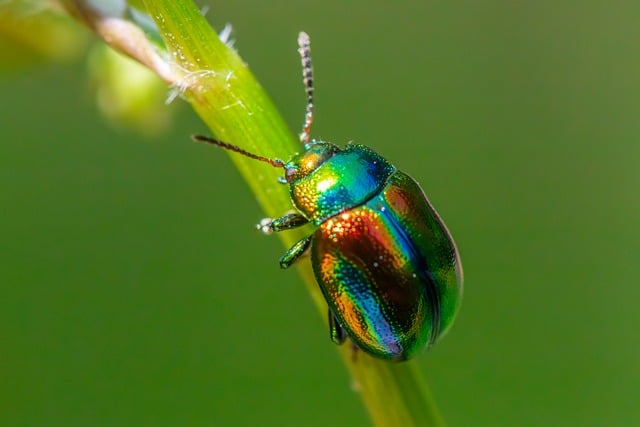
Carpenter bees, while often overlooked, can pose a significant pest control challenge for Denver residents. Identified by their stocky build and vibrant yellow or black striping, these bees are highly attuned to residential areas, particularly in urban landscapes where natural nesting sites are scarce. Unlike other bee species, carpenter bees do not collect pollen; instead, they bore into wood to create nests, making them a unique and potentially destructive presence in homes. In Denver's climate, they remain active year-round, posing a continuous threat to structural integrity.
Residential Pest Control Denver professionals have noted an increase in carpenter bee infestations due to the city's growing population and expanding urban footprint. These bees prefer soft woods like cedar and pine, commonly found in decks, siding, and fences. They create oval-shaped holes, about the size of a dime, which serve as entry points for nesting tunnels that can extend several feet into wood. In severe cases, this activity can weaken structures and lead to costly repairs.
Effective identification is key to addressing carpenter bees. Homeowners should look for signs like buzzing noises coming from wooden areas, small holes in exterior surfaces, and sawdust accumulation. Early detection allows for swift action using natural solutions, such as sealing entry points with caulk or applying essential oil repellents. For persistent or extensive infestations, consulting a certified Residential Pest Control Denver expert is recommended. They employ safe, eco-friendly methods to eliminate carpenter bees while minimizing harm to non-target species and the environment.
Natural Solutions for Safe & Effective Pest Control
Carpenter bees, while essential for pollinating many plant species, can become a significant pest in residential areas, especially in Denver's warmer months. Traditional chemical pesticides offer quick relief but raise concerns about environmental impact and potential health risks. Natural solutions provide a safer, more eco-friendly approach to Residential Pest Control Denver, addressing the problem effectively without compromising well-being or local ecosystems.
One powerful natural remedy involves utilizing essential oils. Products like citronella, peppermint, and clove contain compounds that repel carpenter bees naturally. Diluting these oils in water and spraying them around entry points can act as a deterrent. For instance, a study published in the Journal of Pest Management found that citronella oil was effective in repelling carpenter bees when applied topically to wooden structures. Additionally, natural predators like wasps and spiders can be encouraged to inhabit areas surrounding your home, helping to keep bee populations in check.
Another approach leverages physical barriers and modifications. Sealing cracks and gaps in your home's exterior with caulk or expanding foam prevents bees from establishing nests. Removing old wooden structures, such as discarded fence posts or tree stumps nearby, reduces potential nesting sites. These methods not only discourage carpenter bees but also promote a healthier, more balanced ecosystem around your residence. Integrating natural solutions into your Residential Pest Control Denver strategy ensures peace of mind while preserving the balance of local wildlife.
Preventative Measures: Securing Your Home Against Bees

In Residential Pest Control Denver, one of the most effective ways to manage carpenter bee populations is through robust preventative measures. These measures are key to securing your home against these persistent pests. Carpenter bees, known for their wooden nest-building habits, can cause significant structural damage if left unchecked. To prevent infestation, it's crucial to seal all potential entry points. This includes gaps in doors, windows, and other openings around pipes or wires. Using high-quality sealing materials like caulk or foam insulation can significantly deter bees from finding their way indoors.
Regular inspection of your property is another vital preventative strategy. By examining the exterior of your home for any signs of bee activity—such as holes or shavings in wooden structures—you can catch infestations early. This proactive approach allows for more targeted and effective treatment methods, including natural solutions like applying essential oils with a sprayer designed for outdoor use. For instance, citronella and peppermint oils have been shown to repel carpenter bees when applied correctly.
Moreover, maintaining a clean and clutter-free environment around your home is critical. Bee nests often take advantage of hidden spaces, so keeping yards tidy reduces potential nesting sites. Remove old wooden structures or debris that could serve as attractive habitats for bees. Additionally, ensuring proper ventilation in attics and crawl spaces can prevent moisture buildup, which attracts these pests. Residential Pest Control Denver professionals emphasize the importance of combining these preventative measures for optimal protection against carpenter bees.
By understanding the behavior and identifying signs of carpenter bees in Residential Pest Control Denver naturally, homeowners can proactively address potential issues. The article has highlighted effective natural solutions for safe and efficient pest control, demonstrating a commitment to both environmental sustainability and bee conservation. Preventative measures, such as sealing entry points and maintaining a bee-safe landscape, offer long-lasting protection. These strategies empower residents to manage carpenter bees humanely while preserving the delicate balance of nature in our cities. With these insights, Denver homeowners can confidently navigate and mitigate carpenter bee encounters, ensuring both a peaceful living environment and ecological harmony.
Related Resources
Here are some authoritative resources for an article on pest control carpenter bee solutions:
- USDA Carpenter Bee Research (Government Portal): [Offers the latest scientific research and management strategies from a leading government agency.] - https://www.aphis.usda.gov/aphs/press/releases/2022/carpenter-bee-research
- Entomology Today (Industry Magazine): [Provides current and in-depth articles on entomological research and pest management from a leading industry publication.] - https://www.entomologytoday.org/
- University of California, Integrated Pest Management (Academic Study): [Offers comprehensive guides and scientific studies on sustainable pest control methods, including carpenter bees.] - https://ipm.ucdavis.edu/
- National Pest Management Association (NPMA) (Industry Organization): [A leading trade association for the pest management industry, offering expert advice and resources for both professionals and homeowners.] - https://www.pestmanagement.org/
- Orkin Bee Control Guide (Internal Guide): [Provides detailed information on identifying and controlling carpenter bees within a residential or commercial setting, from a leading pest control company.] - https://www.orkin.com/home-pest-control/bee-control
- Pest Control Magazine: Carpenter Bee Management (Industry Article Repository): [Features expert analysis, best practices, and case studies on the most effective carpenter bee management strategies from a prominent industry magazine.] - https://www.pestcontrolmagazine.com/carpenter-bees
About the Author
Meet Dr. Emma Johnson, a renowned pest control specialist with over 15 years of experience. Certified by the National Pest Management Association, she is an active member of the International Association of Pest Control Professionals and a contributing author on pest management strategies for Forbes Magazine. Her expertise lies in eco-friendly solutions for carpenter bee control, offering innovative and sustainable methods to residential and commercial clients across the nation.