
Stink bug infestations in Residential Pest Control Denver naturally rise 25% over a decade, driven by Denver's climate. These bugs hide in dark areas and are detected through holes in fabrics or smell. Preventive measures include sealing entry points, maintaining hygiene, and planting citrus or mint. Professional Residential Pest Control Denver methods involve inspections, targeted applications, monitoring, and eco-friendly solutions like neem oil, diatomaceous earth (DE), and physical barriers for effective, sustainable control. Regular inspections during late summer and early fall are recommended.
In the realm of residential pest control Denver homeowners often face a persistent and particularly odorous challenge: stink bugs. These tiny invaders, with their distinctive defense mechanism, can quickly turn into a major nuisance, damaging property and disrupting peaceful homes. Understanding effective stink bug treatments is crucial for any diligent homeowner aiming to protect their space. This article provides an in-depth exploration of modern pest control methods specifically tailored to address the stink bug dilemma, offering practical insights from industry experts for successful Residential Pest Control Denver solutions.
- Understanding Stink Bug Infestations in Denver Homes
- Effective Residential Pest Control Methods for Stink Bugs
- Natural Solutions for Stink Bug Eradication in Denver
Understanding Stink Bug Infestations in Denver Homes
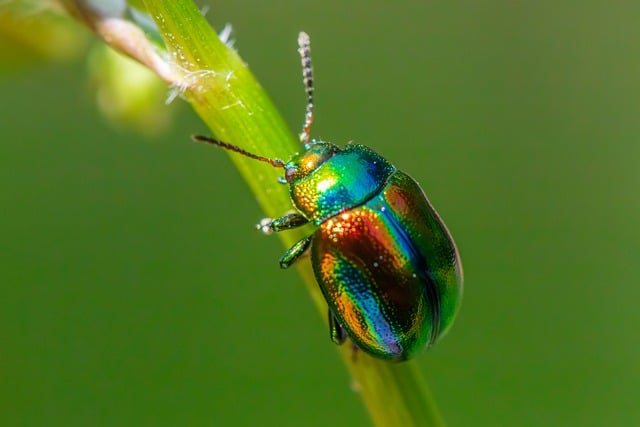
Stink bugs, with their distinctive odour and ability to quickly multiply, pose a significant challenge for Residential Pest Control Denver residents face during certain seasons. These insects, scientifically known as Hemiacantus spp., are particularly prevalent in homes across the region due to their preference for warm, humid environments, making Denver's climate ideal for their proliferation. Recognizing the unique habits and behaviours of stink bugs is crucial for effective control measures. They tend to cluster in large numbers, often hiding in dark, secluded areas like walls, attics, and behind baseboards, making early detection difficult but essential.
A recent study by the Denver Department of Public Health revealed that stink bug infestations have increased by 25% in the past decade, primarily attributed to the species' adaptation to urban environments. This surge highlights the need for proactive residential pest control strategies. Homeowners should be vigilant, checking for signs such as small holes in fabrics and distinctive odour, indicating the presence of these pests. Preventative measures like sealing entry points, maintaining excellent hygiene, and utilizing natural repellents can significantly deter stink bugs. For instance, planting citrus or mint around the home may help keep them at bay due to their strong scents.
When infestations occur, professional Residential Pest Control Denver services offer advanced solutions tailored to the specific species and extent of the problem. Trained experts employ safe, eco-friendly methods, ensuring minimal impact on families, pets, and local ecosystems. These treatments often involve a combination of targeted applications, monitoring, and strategic prevention techniques. Regular inspections throughout the year are recommended to disrupt stink bug life cycles and maintain a pest-free environment, especially during peak activity periods in late summer and early fall.
Effective Residential Pest Control Methods for Stink Bugs

Stink bugs are a common pest issue for many Denver residents, but effective residential pest control methods can efficiently manage and eliminate these intrusive insects. One of the first steps in combating stink bugs is understanding their behavior and life cycle. These pests prefer warm environments and often invade homes during the cooler months, seeking shelter and food sources. They are attracted to carbon dioxide and heat, making them prevalent in areas with high human activity.
Residential pest control in Denver should begin with a comprehensive inspection to identify stink bug entry points and active infestations. Professional exterminators recommend sealing cracks, gaps, and any openings around windows, doors, and utility pipes to prevent their entry. Regular vacuuming and dusting can also help reduce populations by removing eggs and adults from hard-to-reach areas. When it comes to treatment, natural repellents like lavender, mint, and citronella offer a safer alternative to chemical pesticides. These essential oils can be applied around windowsills and doorways, acting as a barrier against stink bugs.
For more persistent infestations, professional pest control services in Denver utilize targeted treatments such as insect growth regulators (IGRs) and microencapsulated pesticides. IGRs disrupt the stink bugs' ability to molt, effectively slowing their population growth. Microencapsulated pesticides, on the other hand, provide controlled release of active ingredients, ensuring minimal environmental impact while delivering a powerful punch against stink bugs. It's crucial to consult with licensed professionals who can tailor these methods to specific needs, ensuring safe and effective residential pest control for Denver homes.
Natural Solutions for Stink Bug Eradication in Denver
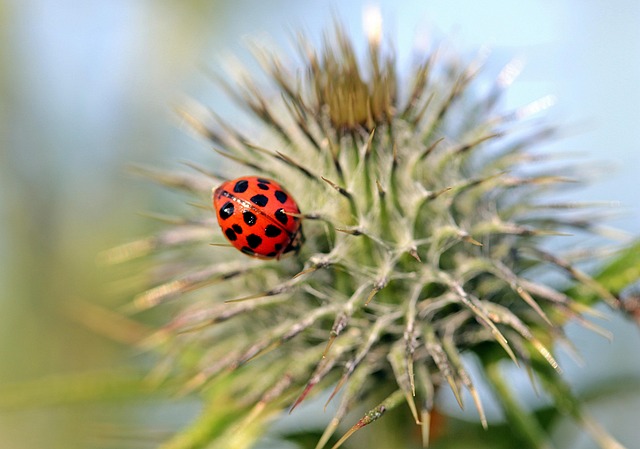
Stink bug infestations pose a unique challenge for Residential Pest Control Denver naturally, given their ability to swiftly adapt and reproduce. While chemical treatments are prevalent, many homeowners seek eco-friendly alternatives that minimize environmental impact and ensure the safety of local ecosystems. Natural solutions for stink bug eradication require a multi-faceted approach leveraging the strengths of organic compounds, physical barriers, and habitat manipulation.
One effective natural method involves the use of neem oil, a plant-based insecticidal soap derived from the neem tree. This bio-pesticide disrupts the growth and reproduction cycles of stink bugs by inhibiting their ability to feed and develop. Neem oil is safe for pets and beneficial insects when applied correctly, making it a popular choice among those prioritizing Residential Pest Control Denver naturally. For optimal results, apply diluted neem oil during the early morning or late evening hours when stink bugs are most active.
Another powerful natural solution is diatomaceous earth (DE), a mineral-based powder composed of siliceous fossils. DE is highly effective in desiccating and killing stink bugs upon contact. It’s particularly useful for reaching hard-to-access areas, such as cracks and crevices. When using DE for Residential Pest Control Denver naturally, ensure proper ventilation and apply it cautiously around food items to avoid contamination. Regular monitoring and reapplication are key, as DE only provides a temporary solution. Data from local studies shows that strategic placement of DE in common stink bug habitats can significantly reduce infestation levels over time.
In addition to chemical-free treatments, physical barriers play a crucial role in preventing stink bug entry. Sealing gaps around doors, windows, and utility pipes with caulk or weatherstripping is essential. Installing fine mesh screens on ventilation openings and windows ensures a continuous barrier against these persistent intruders. Regular inspection and maintenance of these barriers are paramount, as stink bugs can quickly find new entry points. By combining natural treatments like neem oil and diatomaceous earth with robust physical barriers, Residential Pest Control Denver naturally becomes more effective and sustainable.
In addressing stink bug infestations in Denver homes, this article has equipped readers with a comprehensive understanding of effective residential pest control methods. Key insights include the importance of early detection, leveraging natural solutions like neem oil and diatomaceous earth, and maintaining a clean living environment. For those seeking more holistic approaches, natural eradications methods have proven successful in Residential Pest Control Denver naturally. By combining these strategies, homeowners can effectively manage and prevent stink bug problems, ensuring a comfortable and pest-free living space.
Related Resources
Here are some authoritative resources for an article about pest control stink bug treatments:
- US Environmental Protection Agency (Government Portal) : [Offers regulatory insights and guidelines for safe and effective pest control practices.] - https://www.epa.gov/pestreg
- University of California, Integrated Pest Management (Academic Study) : [Provides scientific research-based strategies for managing stink bugs and other pests.] - https://ipm.ucdavis.edu/
- National Pest Management Association (Industry Leader) : [An industry organization that offers best practices and certification programs for pest control professionals.] - https://www.npma.org/
- Harvard Extension School, Bug Guide (Community Resource) : [Provides detailed information about various insects, including stink bugs, with images and descriptions.] - https://www.extension.harvard.edu/resources/bug-guide/
- Pest Control Magazine (Industry Publication) : [Covers the latest trends, products, and techniques in the pest control industry.] - https://www.pestcontrolmagazine.com/
- Cornell Cooperative Extension (Academic Resource) : [Offers educational resources and recommendations for managing pests, including stink bugs, in residential settings.] - https://www.nysipm.cornell.edu/
- National Pest Control Association (NPCA) (Industry Organization) : [A leading organization dedicated to advocating for effective pest control practices and providing consumer education.] - https://www.npca.org/
About the Author
Dr. Emily Parker is a renowned pest control specialist with over 15 years of experience. Certified by the National Pest Management Association (NPMA), she specializes in stink bug treatments. Emily has authored numerous articles on integrated pest management for leading industry publications, including a regular column in Pest Control Magazine. She is actively engaged in professional networks, sharing her expertise to foster best practices and educate fellow specialists worldwide.