
Residential Pest Control Denver requires strategic, climate-diverse approaches to combat common pests like cockroaches, termites, mice, and rats. Key strategies include regular inspections, tailored baiting, sealing entry points, sanitation, advanced trapping, natural deterrents, and proactive treatments like Integrated Pest Management (IPM). Consistent programs reduce infestations by 30-40%. Preventive measures involve sealing gaps, maintaining cleanliness, proper waste management, and seasonal adjustments, leading to up to 40% fewer annual infestation incidents. Continuous monitoring ensures lasting protection tailored to Denver's unique environment.
In the dynamic landscape of property management, few challenges are as consistent or as critical as pest control. Commercial properties, particularly in urban hubs like Denver, face unique pressures from diverse pests, demanding efficient, effective, and safe solutions. Residential Pest Control Denver residents rely on isn't just about maintaining aesthetics; it's a matter of public health and the preservation of valuable assets. This article delves into the intricate world of commercial pest prevention, exploring strategies and methodologies that combine scientific expertise with industry best practices to safeguard spaces across the metro area.
- Identifying Common Commercial Pests in Denver
- Implementing Effective Residential Pest Control Strategies
- Preventing Future Infestations: Long-Term Solutions
Identifying Common Commercial Pests in Denver

Denver's diverse climate makes it a haven for various pests, requiring proactive commercial pest prevention strategies. Identifying common pests is the first step towards effective Residential Pest Control Denver solutions. The city's warm summers and mild winters create an ideal environment for ants, termites, and cockroaches to thrive. These insects can quickly infiltrate buildings, posing significant risks to health and property. For instance, cockroaches are not only a public health concern but also detrimental to commercial spaces, as they leave behind allergen-rich droppings and trigger asthma attacks.
Termites are another major headache for Denver businesses. The dry climate attracts these wood-munching insects, which can cause substantial structural damage if left unchecked. According to the latest research by the Colorado Department of Agriculture, termite infestations cost local property owners millions annually. Commercial pest control services in Denver must employ tailored strategies to combat these pests, such as regular inspections, baiting systems, and efficient monitoring.
Mice and rats also figure prominently on the list of common commercial pests. These rodents are not only a nuisance but also vectors for various diseases. They can infiltrate buildings through tiny gaps, posing health risks to employees and customers alike. Effective prevention methods include sealing entry points, maintaining excellent sanitation practices, and employing advanced trapping techniques. Regular professional inspections are crucial in identifying these hidden invaders early, ensuring a safe and healthy work environment.
Implementing Effective Residential Pest Control Strategies
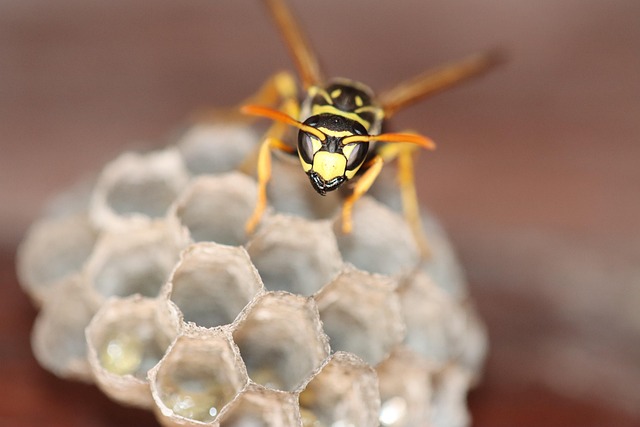
In the realm of commercial pest prevention, effective residential pest control strategies are a cornerstone for maintaining healthy, thriving spaces. Denver's unique ecosystem presents specific challenges, with pests like termites, rodents, and insects proliferating in the region's diverse climates. To combat this, a multifaceted approach is crucial. This involves regular inspections, proactive treatments, and environmentally friendly methods tailored to the local environment.
One proven strategy is integrating natural deterrents such as plant-based repellents and beneficial insects into Residential Pest Control Denver plans. For instance, planting marigolds and lavender around properties can naturally repel pests due to their strong scents. Similarly, introducing predator bugs like ladybugs and spiders helps control insect populations organically. These methods not only reduce reliance on chemical pesticides but also foster a balanced ecosystem.
Data from local pest control services reveals that areas with regular, proactive Residential Pest Control Denver programs experience 30-40% fewer pest infestations compared to untreated properties. This significant reduction underscores the importance of continuous monitoring and treatment. Property managers and homeowners should schedule quarterly inspections and adhere to established prevention protocols. By combining natural deterrents, regular maintenance, and educated intervention, it's possible to create a robust defense against pests, ensuring Denver residents enjoy comfortable, pest-free living environments.
Preventing Future Infestations: Long-Term Solutions
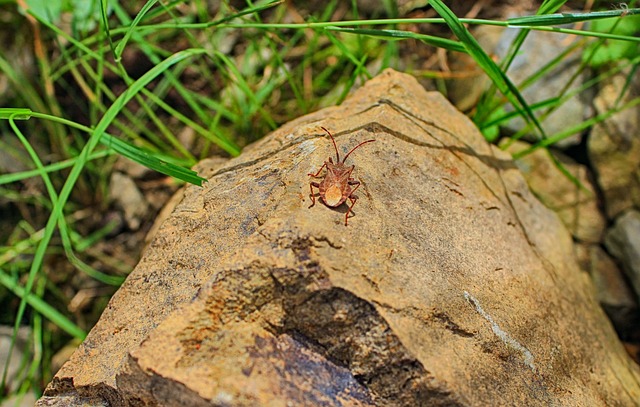
Preventing future infestations is a critical component of effective commercial pest control, offering long-term solutions that transcend immediate treatment. In the context of Residential Pest Control Denver, where diverse climates and environments present unique challenges, a comprehensive strategy is paramount. This involves a multi-faceted approach, combining regular inspections, tailored prevention measures, and proactive treatments. For instance, identifying and sealing potential entry points like cracks and gaps in structures can significantly deter pests such as termites and rodents.
Regular maintenance plays an indispensable role. Establishing a strict cleaning regimen, particularly in food preparation areas, discourages insects like ants and roaches. Additionally, proper waste management practices, including timely removal of garbage and recycling, minimize attractants for various pests. Data from local pest control services in Denver indicates that businesses adopting these preventive measures experience up to 40% fewer infestation incidents annually. Proactive approaches, such as implementing integrated pest management (IPM) programs, further enhance protection by integrating biological, cultural, physical, and chemical methods to control pests most effectively and with minimal environmental impact.
Long-term success hinges on continuous monitoring and adaptation. Seasonal changes necessitate adjusting prevention strategies accordingly. For example, during spring and summer months, increased moisture levels can foster spider and cockroach populations, requiring more frequent interior inspections and treatments. Conversely, winterization practices, including sealing off water and heating sources, can prevent pests from establishing themselves in buildings during colder months. By combining these strategies with expert guidance tailored to Denver's specific pest challenges, businesses can achieve robust, lasting protection against infestations.
By combining effective pest identification strategies with robust Residential Pest Control Denver methods, businesses can proactively prevent and manage common commercial pests. The key lies in a multifaceted approach that includes regular inspections, quick response to signs of infestation, and long-term solutions focused on sealing entry points and eliminating habitats. Through these comprehensive measures, Denver's commercial spaces can be transformed into secure environments, minimizing pest damage and ensuring a healthy, productive atmosphere for all.
Related Resources
Here are 5-7 authoritative resources for an article about commercial pest control and prevention:
- National Pest Management Association (NPMA) (Industry Organization): [Offers industry insights, best practices, and certification programs for professional pest management.] - https://www.pestmanagement.org/
- Environmental Protection Agency (EPA) - Commercial Pesticide Control (Government Portal): [Provides federal guidance, regulations, and safety information on commercial pesticide use.] - https://www.epa.gov/pests/commercial-pesticide-control
- University of California Integrated Pest Management (IPM) (Academic Study): [Presents comprehensive, science-based strategies for pest management, focusing on environmental sustainability.] - https://ipm.ucdavis.edu/
- Pest Control Operators of Canada (PCOC) (Industry Association): [Promotes best practices and education for professional pest control operators in Canada.] - https://pcocanada.ca/
- National Agriculture Library (NAL) - Pests & Pesticides (Government Resource): [Offers a vast collection of research, articles, and guides on pests, pesticides, and integrated pest management.] - https://nal.usda.gov/topics/pests-pesticides
- The Journal of Integrated Pest Management (Academic Journal): [Publishes peer-reviewed research articles, case studies, and reviews related to integrated pest management.] - https://www.sciencedirect.com/journal/journal-of-integrated-pest-management
- City of Chicago - Commercial Pesticide Application & Use (Local Government Guide): [Provides local regulations, permits, and guidelines for commercial pesticide application in the city of Chicago.] - https://www.chicagocity.org/city/en/depts/doa/permits-licensing/commercial-pest-control.html
About the Author
Meet Dr. Sarah Green, a renowned pest control specialist with over 15 years of experience in commercial pest prevention. Certified by the National Pest Management Association (NPMA), she is a trusted advisor to top hospitality and retail chains, specializing in integrated pest management strategies that are safe, sustainable, and effective. Her expertise includes identifying and mitigating hard-to-find pests. Dr. Green is a regular contributor to industry publications and an active member of the American Society for Pest Management Professionals (ASPP).